
Seasonal demand is one of the most influential factors shaping global freight capacity. Across international trade lanes, fluctuations in consumer demand, production cycles, and retail planning create predictable yet challenging pressure on transportation networks. For importers, exporters, and cross-border sellers, understanding how seasonal demand impacts freight capacity is essential for maintaining delivery reliability and controlling logistics costs.
Rather than being a temporary issue, seasonal capacity shifts are a structural part of global logistics that must be planned for in advance.
Seasonal demand refers to recurring periods during the year when shipping volumes increase significantly due to retail cycles, promotional events, or production peaks. Common examples include year-end holidays, peak retail seasons, and pre-summer or back-to-school inventory buildup.
During these periods, manufacturers ship more goods, sellers replenish inventory faster, and transportation networks experience a surge in volume. This increased demand places direct pressure on vessel space, air cargo capacity, equipment availability, and terminal operations.
Freight capacity does not expand at the same pace as demand, which is why seasonal peaks often lead to congestion and delays.
Freight capacity is limited by physical and operational constraints. Vessels, aircraft, containers, and port infrastructure all have fixed limits. When demand spikes, these limits are reached quickly.
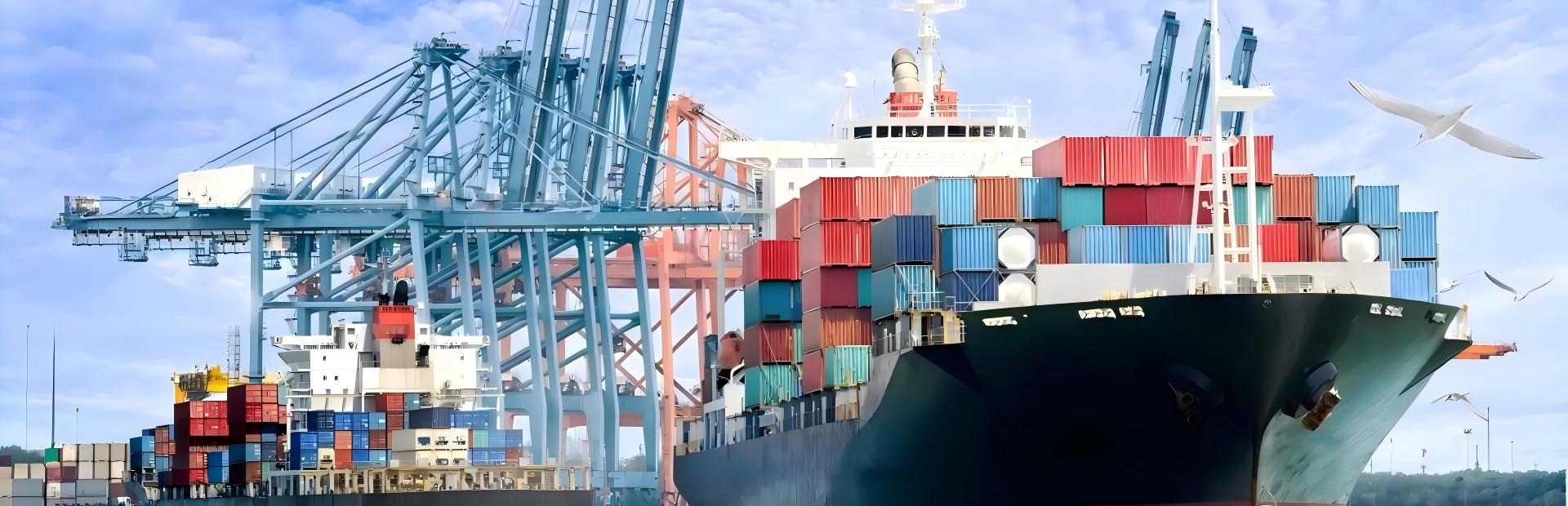
In ocean freight, vessels may sail fully loaded, leaving little room for additional cargo. In air freight, space is often prioritized for high-yield or urgent shipments, reducing availability for standard cargo. Container imbalances and equipment shortages become more common as trade flows intensify in one direction.
As capacity tightens, shippers face longer booking lead times, reduced schedule flexibility, and increased competition for space.
Seasonal demand not only affects capacity availability but also disrupts transit time reliability. Congested ports, extended vessel waiting times, and overloaded inland transport networks slow cargo movement even after it is booked.
Cargo may be rolled to later sailings, miss connections, or experience longer dwell times at ports and terminals. These delays compound as volume continues to build, affecting both departure and arrival performance.
For businesses operating on tight inventory cycles, even small disruptions during peak season can have significant downstream effects.
When demand exceeds available capacity, freight rates typically rise. Higher transportation costs reflect the premium placed on limited space and faster service options.
Seasonal surcharges, peak season adjustments, and higher spot rates increase total landed cost. Shippers that rely heavily on last-minute bookings or expedited services are especially exposed to cost volatility during these periods.
Without advance planning, seasonal demand can turn transportation cost into an unpredictable variable.
Seasonal demand patterns are largely predictable. The challenge is not identifying peak seasons, but preparing for them effectively.
Early booking, accurate volume forecasting, and longer planning horizons allow shippers to secure capacity before demand peaks. Aligning production schedules with transportation availability reduces reliance on emergency shipments and premium services.
Planning also enables better use of cost-efficient transportation modes, even during high-demand periods.
During peak seasons, efficient use of available capacity becomes critical. Poor container utilization or fragmented shipments waste valuable space that could otherwise support stable flow.
Cargo consolidation improves space efficiency and increases the likelihood of securing capacity. Optimized shipment sizes reduce handling complexity and improve schedule alignment with available sailings or flights.
Structured shipment planning helps maximize capacity usage without increasing transit risk.
Seasonal capacity challenges are often amplified by fragmented logistics operations. When booking, customs preparation, and inland delivery are handled separately, delays and misalignment become more likely during high-volume periods.
Integrated logistics management aligns transportation planning, compliance preparation, and delivery coordination into a unified process. This reduces handoff delays and improves response speed when capacity becomes constrained.
WANHAO Logistics provides integrated logistics solutions that help businesses plan shipments around seasonal demand, secure capacity earlier, and maintain predictable delivery performance across major global markets.
While planning is essential, flexibility also plays a role in managing seasonal demand. Shippers that maintain multiple routing options, flexible shipment windows, and mixed transportation strategies are better positioned to adapt when capacity tightens unexpectedly.
Using a combination of ocean freight for base inventory and air freight for urgent replenishment allows businesses to protect delivery performance without relying entirely on premium services.
A balanced strategy reduces both cost exposure and operational stress.
Businesses that proactively manage seasonal demand gain more than short-term delivery stability. Over time, they benefit from more consistent logistics performance, improved supplier coordination, and stronger control over total landed cost.
By treating seasonal demand as a planning variable rather than a disruption, companies build supply chains that perform reliably even during peak pressure periods.
Seasonal demand strongly influences freight capacity by increasing competition for limited transportation resources, affecting transit time reliability, and driving cost volatility. These effects are predictable but unavoidable without proper planning.
Businesses that understand seasonal patterns, secure capacity early, optimize shipments, and adopt integrated logistics strategies are better equipped to navigate peak seasons successfully. With structured planning and coordinated execution, seasonal demand becomes a manageable challenge rather than a disruptive force in global transportation.