
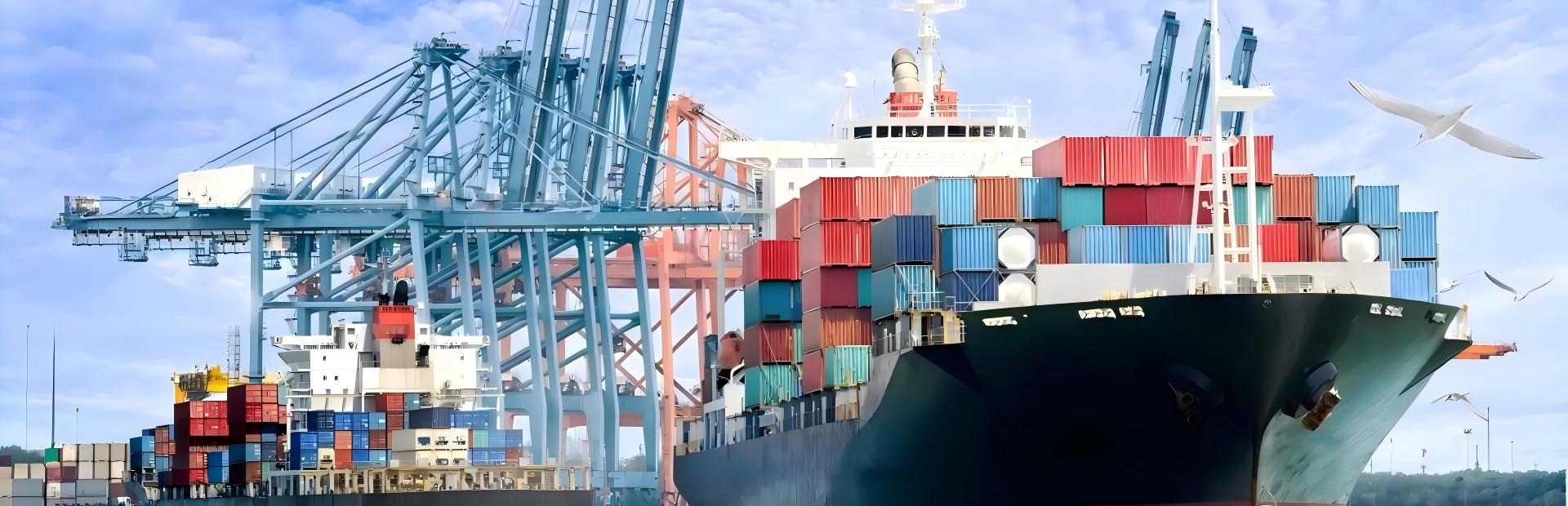
Importing goods into Canada requires careful preparation of product information, shipping documents, customs declarations, and compliance requirements. For companies shipping products from China to Canada, understanding Canada customs clearance rules for imported goods helps reduce delays, unexpected costs, and transportation risks.
Customs clearance is not only a border procedure but also an important part of international supply chain management. Incorrect HS codes, incomplete documents, or inaccurate product descriptions can affect shipment release and delivery schedules.
WANHAO provides China to Canada shipping solutions, including sea freight, air freight, DDP shipping, customs clearance coordination, warehouse delivery, and door-to-door logistics services. By combining China export experience with Canada import requirements, WANHAO helps create smoother cross-border transportation processes.
The Canada customs clearance process is managed mainly by the Canada Border Services Agency. Commercial shipments must be properly reported, classified, valued, and documented before goods can be released.
The basic import process includes:
Product Preparation
↓
Shipping Documentation
↓
Canada Customs Declaration
↓
Duty And Tax Assessment
↓
Goods Release
↓
Final Delivery
Each step requires accurate information to avoid unnecessary delays.
One of the most important Canada customs clearance requirements is correct HS code classification.
HS codes determine:
Product category
Applicable duty rates
Import requirements
Statistical information
A wrong HS code may result in:
Incorrect duty calculation
Customs inspection
Shipment delays
Before shipping, companies should confirm:
| Information | Purpose |
|---|---|
| Product Name | Identify goods correctly |
| Material | Support classification |
| Product Usage | Determine category |
| Manufacturing Details | Improve accuracy |
Canada customs requires imported goods to be classified according to tariff regulations. Accurate classification helps ensure correct duty assessment and smoother clearance procedures.
Documentation accuracy is a key factor in successful customs clearance.
Common documents include:
| Document | Function |
|---|---|
| Commercial Invoice | Shows product value and transaction details |
| Packing List | Provides quantity and packaging information |
| Bill Of Lading | Confirms transportation details |
| Certificate Of Origin | Identifies manufacturing country |
| Customs Declaration | Supports import entry |
The Canada Border Services Agency requires commercial goods to be reported with proper information and supporting documents before release.
A professional freight forwarder checks whether documents match the actual shipment before departure.
Product descriptions should clearly explain what is being imported.
Incorrect descriptions may cause customs questions.
For example:
Weak description:
"Equipment"
Better description:
"Stainless steel commercial kitchen equipment"
A complete description should include:
Product name
Material
Application
Quantity
Specifications
Clear information helps customs officers complete review more efficiently.
Canada import costs depend on several factors, including:
Product category
HS code
Country of origin
Declared value
The Canada customs tariff system determines applicable duties based on product classification and origin.
A typical import cost structure includes:
| Cost Item | Description |
|---|---|
| International Freight | Transportation from origin country |
| Customs Duty | Government import charge |
| GST Or Applicable Taxes | Import taxes |
| Clearance Fee | Processing cost |
| Local Delivery | Transportation after release |
Understanding these costs before shipping improves landed cost planning.
Country of origin is an important part of Canada customs procedures.
The origin of goods is based on where products are manufactured, produced, or grown, not simply where they are shipped from.
For China-made products, companies should prepare:
Manufacturing location information
Certificate of origin when required
Product production details
Correct origin information helps determine applicable tariff treatment.
Different product categories may require different compliance preparation.
Before shipment, companies should confirm:
Product standards
Safety requirements
Labeling requirements
Industry regulations
Examples include:
Electrical product requirements
Food-related regulations
Material restrictions
Consumer safety standards
A professional logistics partner helps review product information before export.
Many import delays come from avoidable mistakes.
| Problem | Result |
|---|---|
| Incorrect HS Code | Duty adjustment or review |
| Missing Documents | Clearance delay |
| Wrong Product Value | Additional verification |
| Unclear Description | Customs questions |
| Missing Compliance Information | Shipment hold |
Preparing accurate information before shipment is one of the most effective ways to reduce customs risks.
A professional China to Canada freight forwarder provides support throughout the import process.
Services include:
Checking:
Invoice details
Packing information
Product descriptions
HS code information
Managing communication with:
Customs brokers
Carriers
Import teams
Monitoring:
Vessel schedules
Customs status
Delivery progress
This integrated approach helps improve clearance efficiency.
Many companies choose Canada DDP shipping because it provides a more complete logistics solution.
DDP shipping usually includes:
China pickup
Export customs clearance
International transportation
Canada customs coordination
Duty handling
Final delivery
Comparison:
| Traditional Import Shipping | Canada DDP Shipping |
|---|---|
| Importer manages more procedures | Logistics provider manages more steps |
| Multiple service contacts | One integrated solution |
| Costs may change during process | Better cost visibility |
DDP shipping is suitable for companies looking for simpler import management.
Large-volume shipments require stronger preparation.
Before shipping bulk cargo, companies should confirm:
| Information | Importance |
|---|---|
| Product Quantity | Accurate declaration |
| Cargo Volume | Transportation planning |
| Packaging Details | Container arrangement |
| Product Materials | Customs classification |
| Delivery Location | Final transportation |
For bulk supply projects, customs preparation should start during production planning.
For OEM and ODM products, customs information should match manufacturing details.
The complete process includes:
Design Confirmation
↓
Production
↓
Quality Inspection
↓
Packaging
↓
Export Documentation
↓
Canada Customs Clearance
↓
Delivery
A freight forwarder familiar with factory operations can better coordinate:
Production schedules
Product specifications
Shipping documents
Delivery requirements
The source of product information affects customs efficiency.
A manufacturer usually controls:
Product specifications
Material information
Production details
Packaging standards
A trader usually manages:
Supplier communication
Purchasing coordination
A freight forwarder connects:
Factory information
Export procedures
Customs process
Final delivery
Accurate information from the manufacturing side helps reduce customs risks.
Before cargo leaves China, quality and documentation checks are important.
Confirm:
Quantity
Specifications
Materials
Confirm:
Labels
Carton information
Shipping marks
Confirm:
Invoice accuracy
HS code
Customs information
These checkpoints help prevent problems after cargo arrives in Canada.
WANHAO provides complete China to Canada logistics solutions, including:
Sea freight
Air freight
Canada DDP shipping
Customs clearance coordination
Warehouse delivery
Door-to-door shipping
With experience in international freight forwarding, WANHAO helps companies manage transportation from factory pickup in China to final delivery in Canada.
Understanding Canada customs clearance rules for imported goods is essential for building a stable international supply chain.
The key points include:
Correct HS code classification
Complete shipping documents
Accurate product information
Proper duty calculation
Export compliance preparation
A reliable freight forwarding partner helps reduce customs risks, improve clearance efficiency, and create a smoother China-Canada import process.
WANHAO combines China export experience with international logistics capabilities to support efficient and reliable global transportation.