
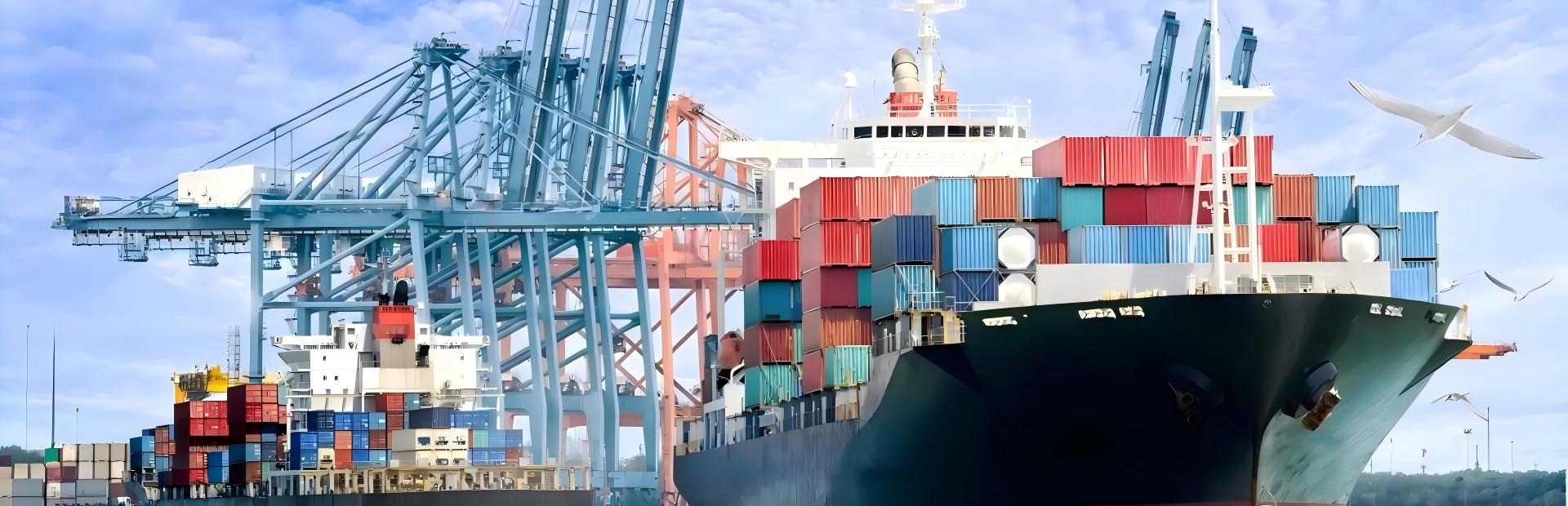
China to Canada door-to-door shipping provides a complete logistics solution that covers pickup, transportation, customs clearance, and final delivery from the supplier’s location to the Canadian destination.
China to Canada door-to-door shipping is an integrated logistics service where a freight forwarder manages the entire transportation process from the exporter's facility in China to the final delivery address in Canada.
Unlike traditional port-to-port shipping, door-to-door logistics reduces the need for importers to coordinate multiple service providers. The freight partner manages different stages, including:
Factory pickup in China
Export documentation preparation
International transportation
Canadian customs clearance coordination
Import tax handling when applicable
Final delivery to warehouse, business location, or other destinations
For manufacturers and international buyers, this shipping model creates better visibility and simplifies cross-border supply chain management.
The complete process usually includes several important stages.
The process starts when the logistics provider collects goods from the manufacturer, supplier, or warehouse in China.
During pickup, the logistics team confirms:
Product quantity
Package condition
Cargo dimensions and weight
Shipping documents
Accurate cargo information helps determine the most suitable transportation method and prevents additional charges caused by incorrect measurements.
Before goods leave China, export procedures must be completed.
Common documents include:
Commercial invoice
Packing list
Bill of lading or air waybill
Certificate of origin when required
Product compliance documents if applicable
Professional freight forwarders review documentation to ensure consistency between cargo details and customs requirements.
The transportation method depends on shipment requirements.
Common options include:
Sea freight is widely used for commercial shipments because it provides better cost efficiency for large cargo volumes.
Suitable for:
Full container loads (FCL)
Less than container loads (LCL)
Machinery
Furniture
Industrial products
Wholesale inventory
Air freight provides faster delivery for urgent shipments.
Suitable for:
Samples
High-value products
Replacement parts
Time-sensitive orders
The right transportation method depends on the balance between cost, delivery schedule, and product requirements.
Canadian customs clearance is one of the most important parts of international shipping.
A freight forwarder helps coordinate the customs process by preparing shipment information and working with customs professionals when required.
Key clearance factors include:
Correct HS code classification
Accurate product description
Declared shipment value
Country of origin
Applicable duties and taxes
Incorrect information can cause shipment delays, inspections, or additional costs.
Experienced logistics providers help importers prepare the required information before cargo arrives in Canada, improving clearance efficiency.
Whether import taxes are included depends on the shipping terms selected.
The most common options include:
Under DDP terms, the seller or logistics provider manages:
Transportation costs
Customs clearance coordination
Import duties
Applicable taxes
Final delivery
DDP is often chosen by businesses that prefer predictable landed costs and simplified import procedures.
Under DAP terms, the seller arranges delivery to the destination, but the buyer usually manages import duties and taxes.
Choosing the correct Incoterm helps avoid misunderstandings between exporters and Canadian importers.
Transit time depends on transportation method, origin location, destination city, customs processing, and delivery arrangements.
Typical estimates include:
| Shipping Method | Approximate Door To Door Time |
|---|---|
| Sea Freight | Around 30–50 days |
| Air Freight | Around 5–12 days |
| Express Shipping | Around 3–7 days |
Sea freight is commonly selected for planned inventory shipments, while air freight is preferred when speed is more important than transportation cost.
Actual delivery times may vary depending on seasonal demand, port conditions, customs inspections, and final delivery distance.
Door-to-door logistics can support many types of commercial cargo.
Common applications include:
Consumer products
Industrial components
Machinery and equipment
Furniture
Hardware products
Electronics
Packaging products
Retail inventory
Manufacturers exporting regularly often choose door-to-door solutions because they simplify communication and improve delivery coordination.
For oversized, fragile, or special cargo, logistics planning before shipment is especially important.
Compared with arranging separate transportation stages, door-to-door shipping provides several benefits.
Importers only need to communicate with one logistics partner instead of coordinating multiple companies.
A complete shipping solution helps businesses estimate transportation expenses more accurately.
Professional logistics teams help prepare documents and coordinate clearance procedures.
Tracking and coordination throughout the shipment process provide better supply chain visibility.
For growing manufacturers and distributors, door-to-door shipping creates a more efficient international logistics workflow.
Traditional shipping usually requires buyers to arrange different stages separately, including:
Domestic transportation
International freight
Customs clearance
Local delivery
Door-to-door shipping combines these processes into one coordinated service.
| Shipping Method | Management Required From Buyer | Suitable For |
|---|---|---|
| Port-to-Port Shipping | Higher | Experienced importers |
| Door-to-Door Shipping | Lower | Businesses seeking simplified logistics |
For companies without strong local logistics experience in Canada, door-to-door solutions can reduce operational complexity.
Successful international shipping depends on preparation before cargo departure.
Recommended practices include:
Confirm product classification early
Prepare accurate commercial documents
Select suitable shipping terms
Choose reliable transportation methods
Understand Canadian import requirements
Work with experienced freight partners
From practical logistics experience, many shipment delays are caused by incomplete preparation rather than transportation problems.
Early communication between manufacturers, buyers, and logistics providers helps create smoother delivery processes.
International door-to-door shipping involves multiple processes that require coordination between suppliers, carriers, customs teams, and local delivery providers.
A professional freight forwarder helps businesses manage:
China pickup arrangements
Sea and air transportation
Customs coordination
Import documentation
Final delivery planning
For manufacturers and global buyers, selecting the right logistics partner helps improve delivery reliability and create a more stable supply chain between China and Canada.
Reliable door-to-door shipping requires accurate planning, professional customs coordination, and suitable transportation options. Our team provides customized logistics solutions covering sea freight, air freight, customs clearance support, and final delivery services from China to Canada.
Contact us to discuss your shipment requirements and receive a customized logistics plan.