
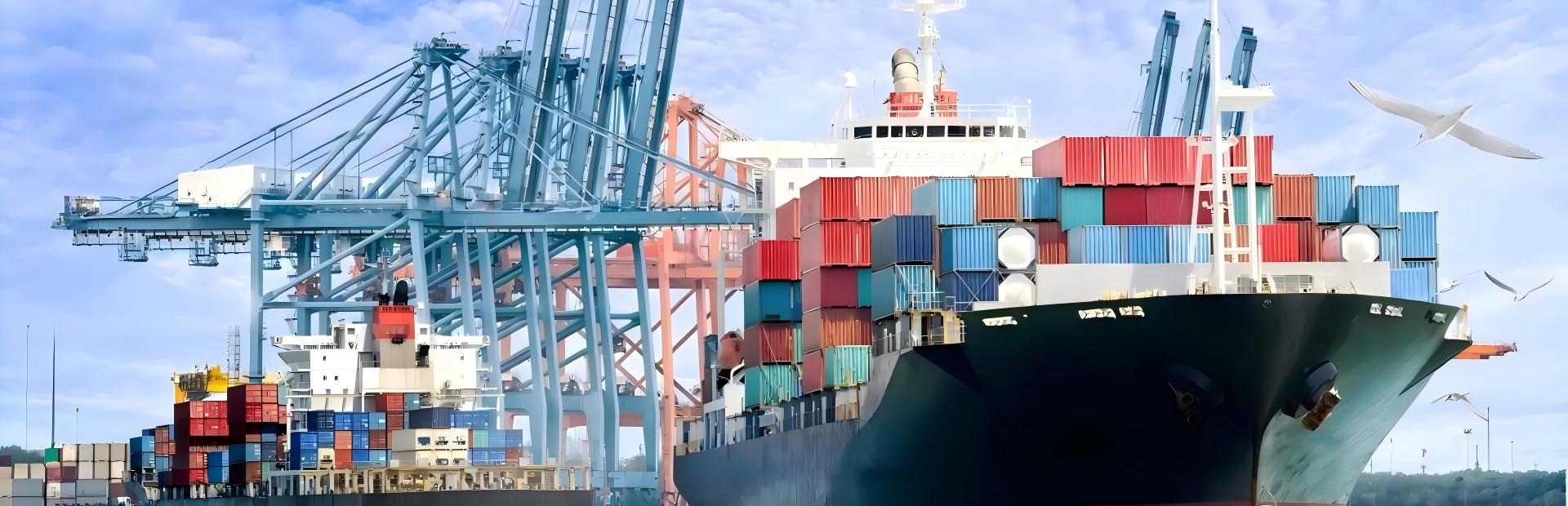
Canada imports from China usually require documents such as commercial invoices, packing lists, bills of lading, customs declarations, and product compliance certificates depending on the shipment type.
Importing products from China to Canada requires accurate documentation to support customs clearance, verify shipment details, and calculate applicable duties and taxes.
The main documents commonly required include:
Commercial Invoice
Packing List
Bill of Lading or Air Waybill
Customs Declaration Information
Certificate of Origin when required
Import Permits or Compliance Certificates for regulated products
The exact document requirements depend on the product category, transportation method, shipment value, and Canadian import regulations.
For manufacturers and distributors, preparing complete documents before shipment helps reduce customs delays and creates a smoother international supply chain.
The commercial invoice is one of the most important documents for Canadian customs clearance.
It provides essential information about the transaction, including:
Exporter and importer details
Product descriptions
Quantity and unit price
Total shipment value
Currency used
Country of origin
Shipping terms
Canadian customs authorities use the commercial invoice to evaluate the declared value of goods and determine applicable duties and taxes.
A detailed invoice should describe products clearly instead of using general terms. For example, specific product names, materials, and functions help customs officers understand the shipment more accurately.
Incorrect or incomplete invoice information may result in inspection, additional questions, or clearance delays.
A packing list provides detailed information about how goods are packaged and shipped.
Common details include:
Number of packages
Package type
Product quantity
Gross weight
Net weight
Package dimensions
Shipping marks
Unlike the commercial invoice, the packing list focuses on physical cargo information rather than transaction value.
Freight forwarders and customs teams use packing lists to verify whether shipment details match the actual cargo.
Accurate packing information is especially important for large shipments, containerized cargo, and products requiring special handling.
Yes. A bill of lading is a key transportation document for sea freight shipments.
The bill of lading serves several purposes:
Confirms cargo receipt by the carrier
Provides shipment details
Acts as transportation evidence
Identifies the shipper, consignee, and carrier
For ocean shipments from China to Canada, common types include:
Used when physical documents are required for cargo release.
Allows cargo release without sending original paper documents in some situations.
Provides faster document processing for certain shipments.
The correct document type depends on the agreement between exporters, importers, and shipping partners.
Air shipments usually require an air waybill instead of a bill of lading.
The air waybill contains information such as:
Shipper and consignee details
Airport of departure and destination
Cargo description
Shipment weight
Transportation terms
Because air freight moves quickly, document accuracy is especially important.
Missing or incorrect information can affect customs processing and delivery schedules.
Professional freight forwarders usually review air shipment documents before departure to reduce unnecessary delays.
A certificate of origin may be required depending on the product type, trade requirements, or customer requirements.
This document confirms where the goods were manufactured.
It may be used for:
Customs verification
Trade agreement benefits
Buyer compliance requirements
Product traceability
For many standard imports, the commercial invoice already identifies the country of origin. However, certain products or situations may require additional origin documentation.
Checking requirements before shipment helps avoid unexpected customs issues.
Some products require additional compliance documents before entering the Canadian market.
Examples include:
May require safety certifications and compliance testing depending on product category.
May require specific import approvals, health documents, or regulatory information.
May require additional approvals and documentation.
May require technical documents, safety information, or user manuals.
Not every shipment requires certification documents. Requirements depend on product classification and Canadian regulations.
Manufacturers should confirm compliance requirements before production and shipment preparation.
Canadian customs declarations require accurate shipment information.
Important details include:
Importer information
Product description
HS code
Declared value
Country of origin
Quantity
Transportation details
The HS code is especially important because it determines product classification and affects duty calculation.
Incorrect classification can lead to:
Wrong duty assessment
Customs review
Clearance delays
Additional costs
Experienced freight forwarders help exporters organize product information and coordinate customs documentation.
Yes. Different product categories may require different supporting documents.
For example:
| Product Category | Possible Required Documents |
|---|---|
| Machinery | Technical documents, product specifications |
| Electronics | Safety certifications, compliance documents |
| Food Products | Health certificates, import approvals |
| Chemicals | Safety data sheets and regulatory documents |
| Textiles | Material information and labeling documents |
Understanding product-specific requirements before shipment helps manufacturers avoid problems after cargo arrives in Canada.
Freight forwarders support the documentation process by coordinating information between exporters, carriers, customs brokers, and importers.
Their support usually includes:
Reviewing commercial documents
Checking shipment information consistency
Coordinating customs clearance procedures
Preparing transportation documents
Advising on shipping terms
A professional logistics partner helps reduce communication problems because international shipments involve multiple parties across different countries.
Many import delays are caused by documentation problems rather than transportation issues.
Common mistakes include:
Generic descriptions may create confusion during customs review.
Incorrect classification can affect duty calculation and clearance time.
Incomplete invoices or packing lists may delay processing.
Differences between invoices, packing lists, and transportation documents can trigger additional verification.
Careful document preparation before shipment departure helps create a more predictable import process.
A practical preparation process includes:
Confirm product classification and HS codes.
Prepare accurate commercial invoices.
Create detailed packing lists.
Check product compliance requirements.
Confirm transportation documents.
Coordinate with freight forwarders and customs professionals.
For regular exporters, creating a standardized documentation process can improve shipping efficiency and reduce repeated errors.
Importing from China to Canada involves transportation, customs procedures, documentation management, and regulatory requirements.
A professional freight forwarder helps businesses coordinate these processes through:
International shipping experience
Document review
Customs coordination
Transportation planning
Door-to-door logistics solutions
For manufacturers and global buyers, proper documentation management is an important part of building reliable international supply chains.
Successful China-Canada shipping requires accurate documentation, proper customs preparation, and reliable logistics coordination. Our team provides international freight solutions including sea freight, air freight, customs support, and door-to-door shipping services to help businesses manage imports more efficiently.
Contact us to discuss your shipping requirements and receive professional logistics guidance.