
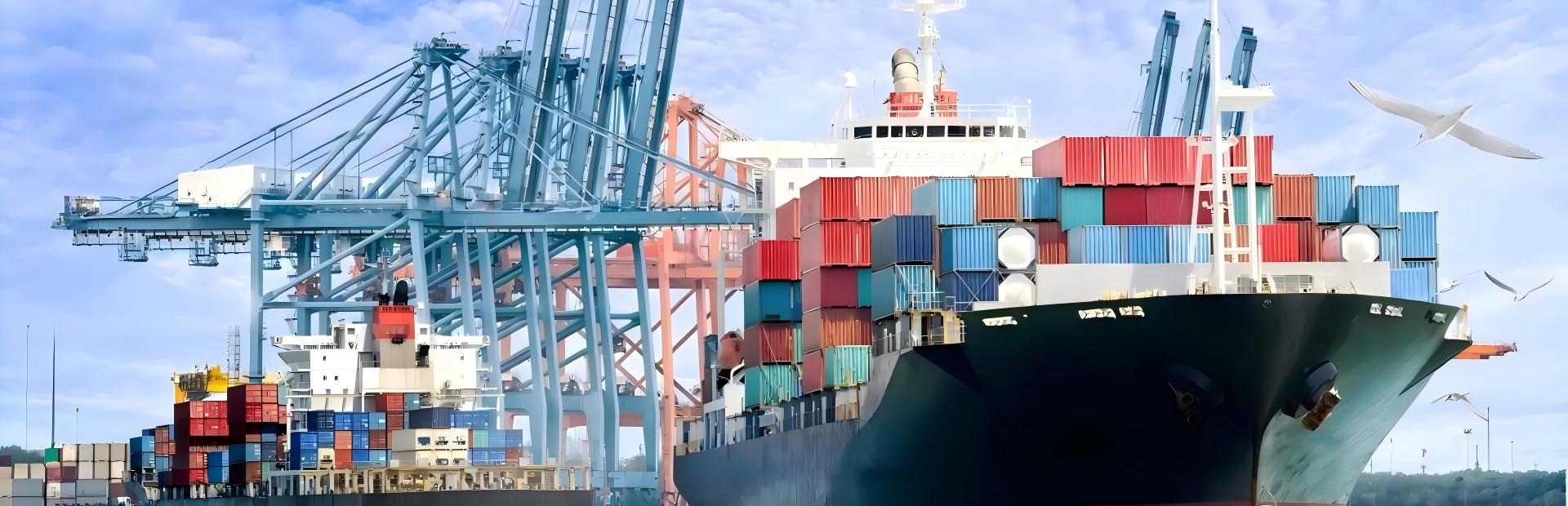
Importers should choose a Canada freight forwarder by evaluating shipping experience, customs capability, service coverage, pricing transparency, and supply chain reliability.
A freight forwarder is more than a transportation provider. For importers shipping goods into Canada, the right logistics partner helps coordinate international transportation, customs procedures, documentation, and final delivery.
A reliable freight forwarder can help businesses:
Reduce unexpected shipping costs
Improve customs clearance efficiency
Select suitable transportation methods
Avoid documentation problems
Maintain stable supply chain operations
For companies importing from China or other manufacturing regions, logistics decisions directly affect delivery time, inventory planning, and customer satisfaction.
The lowest freight quote does not always represent the best solution. Importers should evaluate the complete service capability behind the price.
Industry experience is one of the first factors importers should check.
An experienced freight forwarder should understand:
International ocean freight
Air freight operations
Canadian import procedures
Customs documentation
Different cargo requirements
Shipping routes between origin countries and Canada
Experience with similar products is also valuable. Different cargo types may involve different handling requirements, documentation, and compliance considerations.
For example:
Machinery may require special transportation planning.
Electronics may involve certification requirements.
Large commercial shipments may need container optimization.
Retail products may require inventory timing coordination.
A freight partner with relevant experience can identify potential problems before shipment departure.
Customs clearance capability is a critical factor when selecting a Canada freight forwarder.
Importers should confirm whether the logistics provider can support:
Customs documentation preparation
HS code information review
Import declaration coordination
Duty and tax calculation support
Communication with customs brokers
Canadian imports require accurate shipment information. Errors in product descriptions, values, or classifications may result in delays or additional costs.
A freight forwarder that understands customs procedures helps importers create a smoother import process.
A professional freight forwarder should provide multiple transportation solutions instead of only one shipping option.
Common services include:
Suitable for:
Large-volume shipments
Container transportation
Regular inventory supply
Cost-sensitive cargo
Suitable for:
Urgent shipments
High-value products
Samples
Time-sensitive orders
Suitable for importers who prefer a complete logistics solution covering pickup, transportation, customs coordination, and final delivery.
Importers should check whether the forwarder supports both:
Full Container Load (FCL)
Less Container Load (LCL)
This flexibility helps businesses choose shipping methods based on order volume and budget.
Price is important, but transparent pricing is more valuable than simply choosing the lowest quotation.
A reliable freight quotation should clearly explain:
Ocean or air freight charges
Origin handling fees
Destination charges
Customs-related costs
Local delivery fees
Additional service charges
Importers should ask whether the quotation includes all expected costs.
Unexpected charges often happen when important service items are excluded from the initial price.
A professional freight forwarder provides clearer cost expectations and helps businesses calculate total landed costs.
Door-to-door capability can significantly simplify international importing.
A complete door-to-door service may include:
Pickup from supplier location
Export preparation
International transportation
Customs coordination
Local delivery in Canada
This service model reduces the need for importers to manage multiple logistics providers.
For companies without extensive import experience, door-to-door shipping creates better control over the entire delivery process.
Shipment visibility is increasingly important for international supply chains.
Importers should check whether the freight forwarder provides:
Shipment tracking updates
Delivery status information
Document management support
Communication channels
Timely shipment notifications
Better visibility allows businesses to plan:
Warehouse operations
Production schedules
Customer deliveries
Inventory levels
A logistics partner with organized communication processes helps reduce uncertainty during international transportation.
A strong local network improves logistics performance after cargo arrives in Canada.
Importers should evaluate:
Canadian port coverage
Local delivery capabilities
Warehouse cooperation
Customs broker relationships
Carrier partnerships
Major Canadian import destinations may include:
Vancouver
Toronto
Montreal
Calgary
Other regional distribution centers
A freight forwarder's local resources affect delivery efficiency and problem-solving ability.
Before cooperation, importers should ask:
How many years of international shipping experience does the company have?
Has the company handled similar products before?
Does the company provide sea and air freight?
Can it support door-to-door shipping?
Does the company assist with Canadian import procedures?
How are customs documents managed?
Are all charges clearly listed?
Are there possible additional fees?
How are shipment updates provided?
Who manages customer communication?
These questions help importers compare providers more effectively.
Importers should be cautious when a logistics provider shows the following signs:
Very low prices may exclude important services or create unexpected charges later.
Slow responses can create problems when urgent shipment decisions are required.
A freight provider without import experience may increase clearance risks.
Poor document management can lead to delays.
A reliable logistics partner should provide clear communication, professional procedures, and predictable service.
A practical evaluation checklist includes:
| Evaluation Factor | Questions To Consider |
|---|---|
| Shipping Experience | Does the company understand your cargo type? |
| Service Range | Does it provide sea, air, and door-to-door solutions? |
| Customs Support | Can it coordinate Canadian import procedures? |
| Pricing Transparency | Are costs clearly explained? |
| Communication | Are shipment updates reliable? |
| Local Network | Does it have Canadian delivery resources? |
Comparing freight forwarders based on overall capability provides better long-term value than comparing only transportation prices.
International importing requires coordination between manufacturers, carriers, customs teams, and local delivery providers.
An experienced freight forwarder helps businesses manage:
Shipping planning
Transportation selection
Documentation preparation
Customs coordination
Final delivery arrangements
For importers sourcing products internationally, choosing the right logistics partner improves supply chain stability and supports long-term business growth.
Selecting a suitable freight forwarder requires evaluating transportation options, customs support, communication efficiency, and total logistics value. Our team provides customized international logistics solutions, including sea freight, air freight, customs coordination, and door-to-door shipping services for global importers.
Contact us to discuss your Canada import requirements and receive a professional shipping plan.