
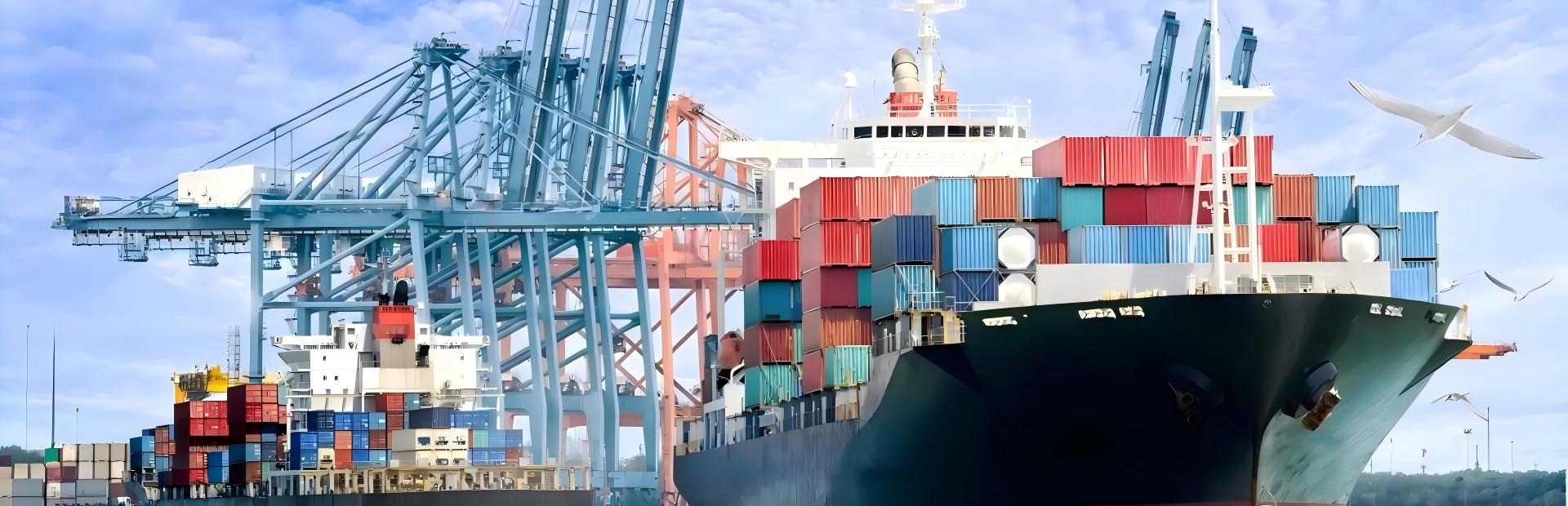
Sea freight to Australia is usually better for large and cost-sensitive shipments, while air freight to Australia is preferred for urgent, high-value, or time-sensitive cargo.
The main difference between sea freight and air freight to Australia is the balance between transportation cost, delivery speed, and shipment capacity.
Sea freight transports goods through international ocean routes and is commonly used for commercial shipments requiring large cargo capacity.
Air freight uses international aviation networks and provides faster delivery for businesses that need shorter transportation times.
For manufacturers and importers shipping from china or other production regions to Australia, choosing the right method depends on:
Cargo volume
Delivery schedule
Product value
Budget requirements
Supply chain planning
The best shipping method is not always the fastest or cheapest option. It should match the business's operational needs.
Sea freight is generally more cost-effective for large shipments because vessels can transport much larger cargo volumes than aircraft.
Sea freight is suitable for:
Full container shipments
Bulk orders
Industrial products
Furniture
Machinery
Regular inventory replenishment
Air freight usually has a higher cost because aircraft capacity is limited and transportation speed comes with additional expense.
However, air freight may become more economical when:
Products have high value per kilogram
Delayed delivery creates larger losses
Small quantities need urgent transportation
Businesses should compare total supply chain costs rather than only comparing freight rates.
Delivery time is one of the biggest differences between the two shipping methods.
Typical transportation timelines include:
| Shipping Method | Average Transit Time | Suitable For |
|---|---|---|
| Sea Freight | Around 25–45 days | Large and planned shipments |
| Air Freight | Around 3–10 days | Urgent and time-sensitive cargo |
Sea freight takes longer because it involves:
Export handling
Port procedures
Ocean transportation
Import clearance
Inland delivery
Air freight provides faster transportation because cargo moves through airport networks with shorter transit cycles.
For businesses with predictable inventory planning, sea freight often provides better cost control. For urgent market requirements, air freight offers stronger flexibility.
Sea freight is the preferred choice when shipment size is large and delivery time allows advance planning.
Common applications include:
fcl shipping allows one shipment to use a dedicated container.
Advantages include:
Better cargo control
Reduced handling
More predictable transportation planning
Suitable for:
Large production orders
Wholesale shipments
Regular supply contracts
lcl shipping allows multiple shipments to share container space.
Suitable for:
Smaller commercial orders
Trial shipments
Market testing
Sea freight provides strong advantages for businesses focused on long-term logistics cost management.
Air freight is better when delivery speed is more important than transportation cost.
Common situations include:
When customers require products quickly, air freight helps maintain supply continuity.
New products and seasonal inventory often require faster delivery schedules.
Products with high value density may justify higher transportation costs.
When factories require urgent replacement parts, air freight can reduce downtime.
For businesses operating in fast-changing markets, air freight provides greater responsiveness.
Both sea freight and air freight can provide reliable cargo transportation when properly managed.
Sea freight advantages include:
Container protection
Lower handling frequency
Suitability for heavy cargo
Air freight advantages include:
Shorter transportation duration
Reduced storage time
Faster shipment movement
The best choice depends on cargo characteristics.
Examples:
Heavy equipment usually fits sea freight better.
Precision components may benefit from air freight speed.
Regular consumer products often use sea freight for cost efficiency.
Professional logistics planning helps match transportation methods with product requirements.
Both sea freight and air freight shipments must complete Australian customs procedures.
The main difference is the preparation timeline.
Sea shipments usually provide more preparation time because transit periods are longer.
Businesses can prepare:
Commercial invoices
Packing lists
Import documents
Customs information
before cargo arrival.
Air shipments move quickly, so document accuracy becomes even more important.
Any missing information may affect delivery schedules.
Experienced freight forwarders help coordinate:
Customs documentation
Shipment information
Clearance procedures
for both transportation methods.
The better choice depends on inventory requirements and sales speed.
Bulk inventory
Warehouse replenishment
Lower shipping cost strategies
Product testing
Small inventory batches
Fast-selling items
Many e-commerce businesses use a combined approach:
Sea freight for regular stock
Air freight for urgent replenishment
This balance helps maintain both cost efficiency and market responsiveness.
Yes. A combined logistics strategy is often used by growing businesses.
A hybrid shipping model may include:
Sea freight for planned large shipments
Air freight for urgent products
Express delivery for samples
This approach helps businesses avoid relying on only one transportation method.
From practical international logistics operations, the most efficient supply chains usually combine cost control with delivery flexibility.
Manufacturers should consider several factors before choosing a shipping method:
Heavy, large-volume goods usually benefit from sea freight.
Urgent customer requirements may require air freight.
Stable demand supports sea freight scheduling.
Large shipments usually achieve better cost efficiency through ocean transportation.
For most manufacturers exporting regular products to Australia, sea freight provides stronger long-term cost advantages, while air freight supports urgent business needs.
A practical decision process includes:
Evaluate shipment volume and weight.
Confirm required delivery time.
Calculate total landed cost.
Consider product value and urgency.
Review customs requirements.
Select a suitable logistics partner.
Choosing the right shipping method improves delivery reliability and supports better supply chain planning.
International shipping requires coordination between suppliers, carriers, customs teams, and local delivery providers.
A professional logistics solution helps businesses manage:
Transportation planning
Cost optimization
Customs coordination
Delivery arrangements
Supply chain stability
For companies importing goods into Australia, selecting between sea freight and air freight based on actual business requirements creates better long-term value.