
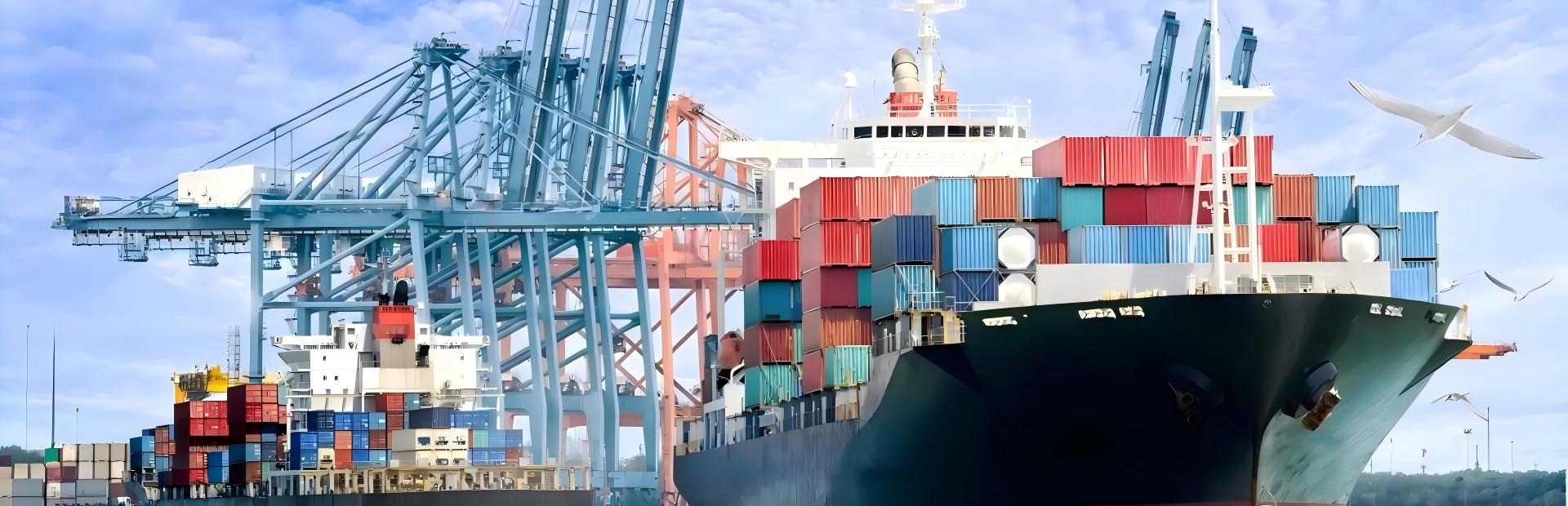
China to Australia door-to-door shipping provides a complete logistics solution covering supplier pickup, international transportation, customs coordination, and final delivery to the customer’s location.
China to Australia door-to-door shipping is an integrated logistics service that manages the complete transportation process from the supplier’s location in China to the final destination in Australia.
Instead of arranging separate companies for different shipping stages, importers work with one logistics partner that coordinates:
Factory pickup in China
Export procedures
International freight transportation
Australian customs coordination
Import duty and tax handling when applicable
Local delivery
This shipping model is widely used by manufacturers, wholesalers, distributors, and e-commerce businesses that want a simpler international logistics process.
For companies importing from China, door-to-door shipping improves supply chain visibility and reduces the complexity of managing multiple logistics providers.
A complete door-to-door shipping process usually includes several important stages.
The logistics provider arranges pickup from:
Manufacturing factories
Supplier warehouses
Consolidation centers
During pickup, shipment details are confirmed, including:
Product type
Quantity
Package condition
Weight and dimensions
Accurate cargo information helps select the most suitable transportation method and prevents additional charges.
Before international transportation begins, export procedures must be completed.
Common preparation includes:
Commercial invoice review
Packing list confirmation
Export documentation
Cargo inspection if required
Professional freight teams coordinate with suppliers to ensure documents match the actual shipment details.
Proper preparation helps reduce export delays and improves customs efficiency.
The transportation method depends on cargo requirements.
Sea freight is commonly used for:
Large shipments
Full container loads
Wholesale orders
Machinery
Furniture
Industrial products
Options include:
Sea freight provides better cost efficiency for businesses that can plan inventory in advance.
Air freight is suitable for:
Urgent orders
Samples
High-value products
Time-sensitive shipments
Although the cost is higher, it provides faster delivery.
Customs clearance is a critical part of China-Australia shipping.
The process usually involves:
Import declaration
Document review
HS code confirmation
Duty and tax calculation
Customs approval
Important information includes:
Product description
Declared value
Country of origin
Import documentation
Experienced logistics providers help coordinate customs procedures and reduce clearance risks.
After customs clearance, goods are delivered to the agreed destination.
Common delivery locations include:
Business warehouses
Retail stores
Distribution centers
Commercial addresses
The complete process provides a direct connection from Chinese suppliers to Australian customers.
Door-to-door shipping provides several advantages for international businesses.
Importers do not need to separately manage:
Domestic transportation
International freight
Customs procedures
Local delivery
A single logistics partner coordinates the entire process.
Door-to-door solutions provide clearer visibility of total logistics expenses.
Businesses can better estimate:
Transportation costs
Customs-related charges
Delivery expenses
Importers can focus on production, sales, and customer operations instead of managing complex shipping procedures.
A coordinated logistics process helps reduce communication gaps between different service providers.
Different businesses require different transportation strategies.
Best for:
Bulk shipments
Regular inventory
Heavy products
Cost-sensitive transportation
Advantages:
Lower transportation cost
Larger cargo capacity
Suitable for long-term supply chains
Best for:
Urgent shipments
High-value goods
Product launches
Advantages:
Faster delivery
Shorter transportation cycle
Better response speed
Suitable for:
Samples
Documents
Small parcels
A professional logistics provider selects the appropriate method based on shipment requirements.
Yes. Door-to-door shipping is often suitable for small and medium-sized businesses because it reduces logistics complexity.
It can help:
New importers entering the Australian market
E-commerce sellers managing international inventory
Small distributors purchasing from Chinese suppliers
Businesses without local logistics teams
Instead of learning every import procedure, businesses can rely on professional logistics coordination.
Whether taxes are included depends on the shipping terms.
The most common options include:
Delivered Duty Paid shipping may include:
Transportation
Customs clearance
Import duties
Taxes
Final delivery
This provides a more predictable landed cost.
Delivered At Place usually covers transportation to the destination, while the buyer manages import duties and taxes.
Businesses should confirm responsibilities before shipment to avoid unexpected costs.
Although the logistics provider manages many procedures, accurate documents remain important.
Common documents include:
Includes:
Product information
Quantity
Value
Seller and buyer details
Includes:
Package quantity
Weight
Dimensions
Depending on shipping method:
Bill of lading for sea freight
Air waybill for air freight
Some products may require additional certifications or approvals.
Complete documentation improves customs clearance efficiency.
Transit time depends on transportation method, origin location, destination city, customs procedures, and delivery arrangements.
Typical estimates include:
| Shipping Method | Average Door To Door Time |
|---|---|
| Sea Freight | Around 30–50 days |
| Air Freight | Around 5–12 days |
| Express Shipping | Around 3–7 days |
Actual delivery time may vary depending on:
Peak shipping seasons
Port conditions
Customs inspections
Local delivery distance
Early logistics planning helps businesses choose suitable transportation schedules.
The main difference is the level of logistics management required from the importer.
| Shipping Type | Buyer Responsibility |
|---|---|
| Port-to-Port Shipping | Manage multiple logistics stages |
| Door-to-Door Shipping | Receive complete logistics service |
Traditional shipping may work well for experienced importers with established logistics networks.
Door-to-door shipping is often better for businesses seeking simpler and more coordinated transportation.
A reliable logistics partner should provide:
Ability to coordinate with suppliers and manage factory pickup.
Understanding of customs procedures and delivery networks.
Clear explanation of:
Freight charges
Customs-related costs
Delivery fees
Support for:
Sea freight
Air freight
Customs coordination
Final delivery
Regular updates throughout the shipment process.
Choosing a logistics provider based on overall capability helps create a more stable supply chain.
Common challenges include:
Missing or inaccurate information may delay customs clearance.
Incorrect HS codes may affect duties and import processing.
Lack of clarity about taxes and delivery scope may create additional costs.
Multiple parties without effective communication may reduce delivery efficiency.
Professional planning before shipment helps avoid these issues.
China to Australia trade involves multiple logistics stages, including export handling, international transportation, customs procedures, and local delivery.
A professional door-to-door shipping solution connects these stages into one coordinated process.
For manufacturers, importers, and distributors, this approach helps improve:
Logistics efficiency
Cost control
Delivery reliability
Supply chain visibility