
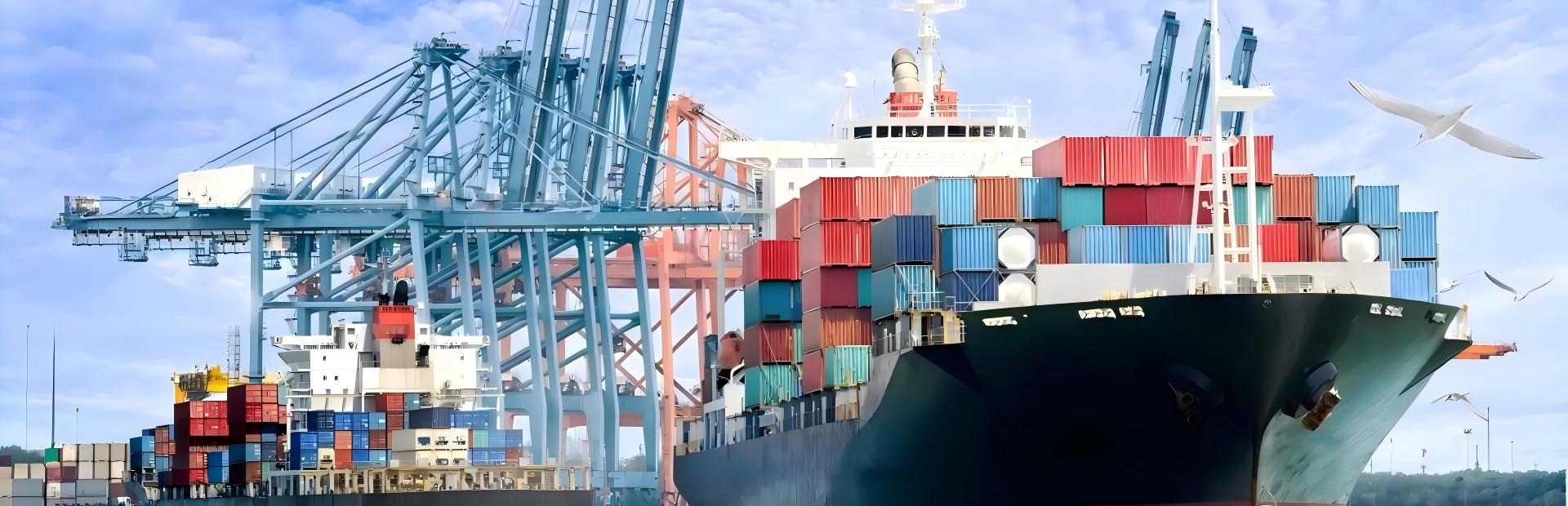
End-to-end logistics solutions matter more in 2026 because international shipping is no longer judged only by freight rates. Global sellers now face slower trade growth, tighter customs expectations, and higher pressure on delivery reliability. The WTO’s March 2026 outlook says merchandise trade volume grew 4.6% in 2025 but is expected to slow to 1.9% in 2026, which means avoidable delays and hidden costs can damage margins much faster than before. At the same time, UN Trade and Development notes that around 80% of the volume of international trade in goods is carried by sea, so weak coordination in ocean logistics can affect the whole supply chain.
For manufacturers, the biggest value of an end-to-end logistics solution is control. This is where manufacturer vs trader differences become clear. A trader may focus on quotation and shipment booking after the order is confirmed. A manufacturer needs logistics to match the OEM / ODM process, the manufacturing process overview, packaging readiness, loading plans, and delivery deadlines. When freight forwarding, customs clearance, warehousing, and final delivery are handled separately, communication gaps grow. When they are managed as one connected system, bulk supply considerations become easier to control, and a stronger project sourcing checklist can be built around invoices, packing lists, carton marks, quality control checkpoints, material standards used, and export market compliance. This connection between factory readiness and logistics risk is an operational inference supported by how integrated providers structure shipment responsibility.
Another reason end-to-end logistics matters is customs efficiency. WANHAO’s U.S. routes page says it manages the full shipment process under DDP terms, covering cargo pickup, export customs clearance, international transportation, U.S. customs clearance, duty and tax handling, and final delivery. That structure reduces handoff risk because one provider is responsible from origin to destination. For global sellers, this means clearer landed-cost planning, fewer document mismatches, and better freight visibility across the full cross-border logistics process.
WANHAO’s own content also shows why integrated execution is becoming more important for scale. Its site highlights sea freight, air freight, warehouse consolidation, and DDP door-to-door support, while its logistics article explains that one logistics partner can simplify operations, reduce risk, and improve overall supply chain performance through centralized planning and coordination. This kind of model is especially useful for repeat export programs, customized production, and larger volume shipments where timing errors can quickly multiply across multiple service providers.
| End-to-end logistics advantage | Practical value |
|---|---|
| One responsibility chain | Fewer communication gaps |
| Integrated customs handling | Lower compliance risk |
| Coordinated warehousing and delivery | Better inventory and transit control |
| Mode selection across sea and air | Better balance of cost and timing |
In practice, end-to-end logistics solutions matter because they turn a fragmented shipping process into a managed supply chain system. WANHAO’s service structure shows this clearly through ddp shipping, customs handling, consolidation, and final delivery for U.S.-bound cargo. For global sellers, especially those shipping bulk orders, OEM projects, or repeat export shipments, that integrated model can create stronger cost control, more stable execution, and a real competitive advantage in a more demanding 2026 market.