
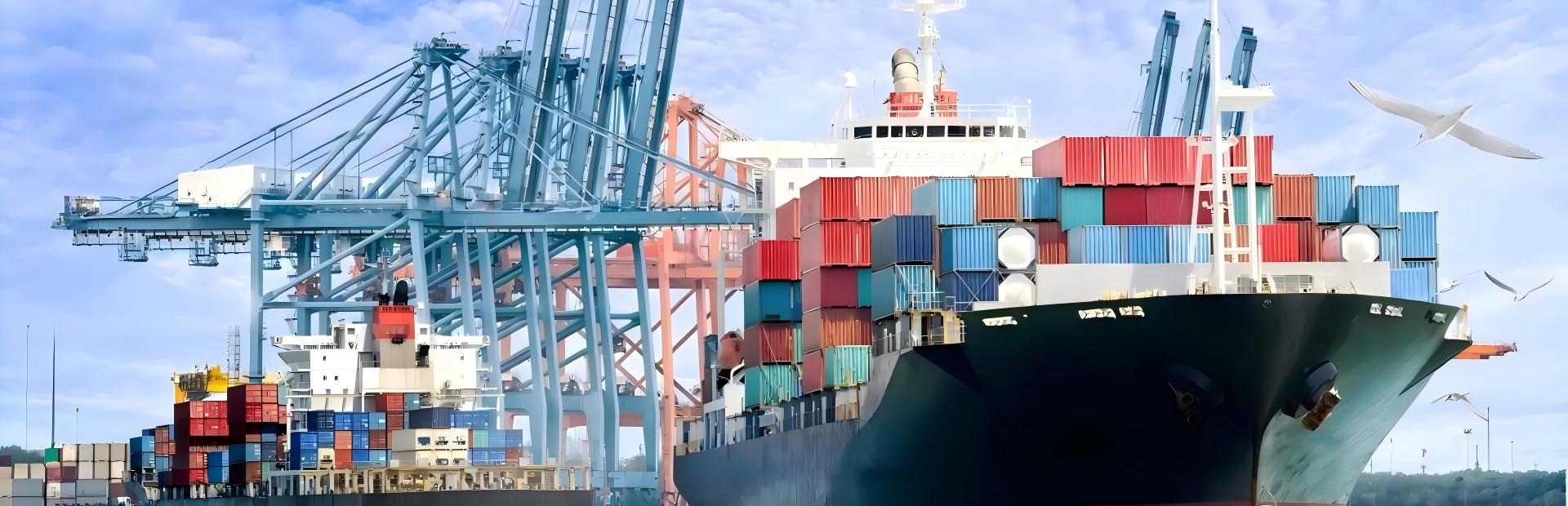
customs clearance is one of the most important steps in international shipping, directly affecting delivery schedules, inventory planning, and supply chain efficiency. Traditional manual customs processes often involve repeated document checks, communication between multiple parties, and a higher risk of information errors.
With the development of digital logistics systems, automation has become an important tool for improving customs efficiency. Automated documentation processing, electronic declarations, shipment tracking, and data integration help reduce clearance delays and create more predictable international transportation.
According to the World Customs Organization, digital customs systems can improve processing efficiency by reducing manual procedures and increasing data accuracy. Automation allows customs authorities and logistics providers to handle larger shipment volumes while maintaining compliance.
Before understanding how automation improves clearance, it is important to identify common causes of delays.
| Delay Factor | Impact On Clearance |
|---|---|
| Incorrect documents | Requires additional review |
| Manual data entry errors | Causes processing delays |
| Missing information | Stops customs submission |
| Poor communication | Slows problem resolution |
| Complex regulations | Increases compliance risks |
For international shipments, even small documentation errors can create additional processing time.
Common documents involved in customs clearance include:
Commercial invoices
Packing lists
Bills of lading
Product descriptions
Customs classification information
Compliance documents
Automation helps reduce these risks by improving accuracy and communication speed.
Automation supports multiple stages of the customs process, from document preparation to shipment release.
Traditional customs procedures require manual document preparation and verification. Automated systems can collect shipment information, check data consistency, and reduce repeated manual input.
Benefits include:
Faster document preparation
Fewer data entry mistakes
Improved information accuracy
Easier document management
For companies handling frequent international shipments, automated documentation significantly improves operational efficiency.
Many customs authorities now use electronic declaration platforms to process import and export information.
Automation enables:
Faster submission of customs data
Real-time status updates
Digital document exchange
Easier compliance monitoring
According to the World Trade Organization, digital trade facilitation measures can reduce border processing time and improve international supply chain performance.
Modern logistics systems increasingly use data analysis to identify potential clearance issues before shipment arrival.
Automation can help analyze:
Product classification
Historical shipment information
Documentation accuracy
Compliance requirements
This allows logistics providers to prepare solutions earlier and reduce unexpected delays.
DDP shipping requires coordination between transportation, customs clearance, duties, and final delivery. Automation becomes especially valuable because multiple processes must work together.
A digital logistics system can support:
| Automated Function | Benefit |
|---|---|
| Shipment tracking | Real-time visibility |
| Document management | Reduces paperwork errors |
| Customs status monitoring | Faster response |
| Cost calculation | Better budget control |
| Delivery coordination | Improves efficiency |
Wanhao Logistics provides China-to-USA logistics solutions, including DDP door-to-door shipping services that integrate transportation planning, customs coordination, duty handling, and final delivery management.
The difference between traditional and automated customs procedures can be seen in several areas.
| Process | Traditional Method | Automated Method |
|---|---|---|
| Document handling | Manual preparation | Digital processing |
| Data checking | Human review | System verification |
| Communication | Multiple contacts | Integrated platforms |
| Tracking | Periodic updates | Real-time monitoring |
| Error control | Reactive correction | Early detection |
Automation does not replace professional logistics knowledge. Instead, it improves efficiency by allowing logistics teams to focus on complex issues and compliance management.
Automation is most effective when combined with experienced logistics management.
A professional logistics provider should support:
Digital shipment management
Automated document preparation
Customs coordination
Compliance review
Delivery tracking
Compared with simple freight booking services, experienced logistics providers combine technology with practical customs knowledge to create more reliable shipping solutions.
Wanhao Logistics specializes in China-to-USA transportation solutions, offering sea freight, air freight, consolidation services, customs support, and DDP logistics solutions. Through professional logistics management and efficient operational systems, Wanhao helps companies improve international shipping reliability.
For large-volume shipments, customs efficiency directly affects inventory planning and delivery schedules.
Automation helps manage:
Multiple shipment records
Large document volumes
Supplier coordination
Customs data accuracy
Delivery timelines
For companies importing regularly, automated logistics processes help create a more stable supply chain.
Before choosing a logistics solution, evaluate these factors:
| Evaluation Area | Key Questions |
|---|---|
| Documentation | Are shipment documents digitally managed? |
| Tracking | Can shipment status be monitored? |
| Compliance | Are customs requirements reviewed? |
| Communication | Is information shared efficiently? |
| Delivery planning | Is the entire process coordinated? |
Proper preparation combined with automation can reduce unnecessary customs delays.
Global trade continues to move toward digital customs management. According to the World Customs Organization, technology adoption is becoming a key direction for improving border management and international trade efficiency.
An experienced logistics provider should combine:
Digital logistics systems
Customs expertise
Export compliance knowledge
International transportation experience
Reliable delivery management
Understanding how automation reduces customs clearance time helps companies improve supply chain efficiency. Automated documentation, electronic declarations, real-time tracking, and data management reduce errors and improve customs processing speed. Combined with professional logistics support, automation creates a more reliable solution for international transportation.