
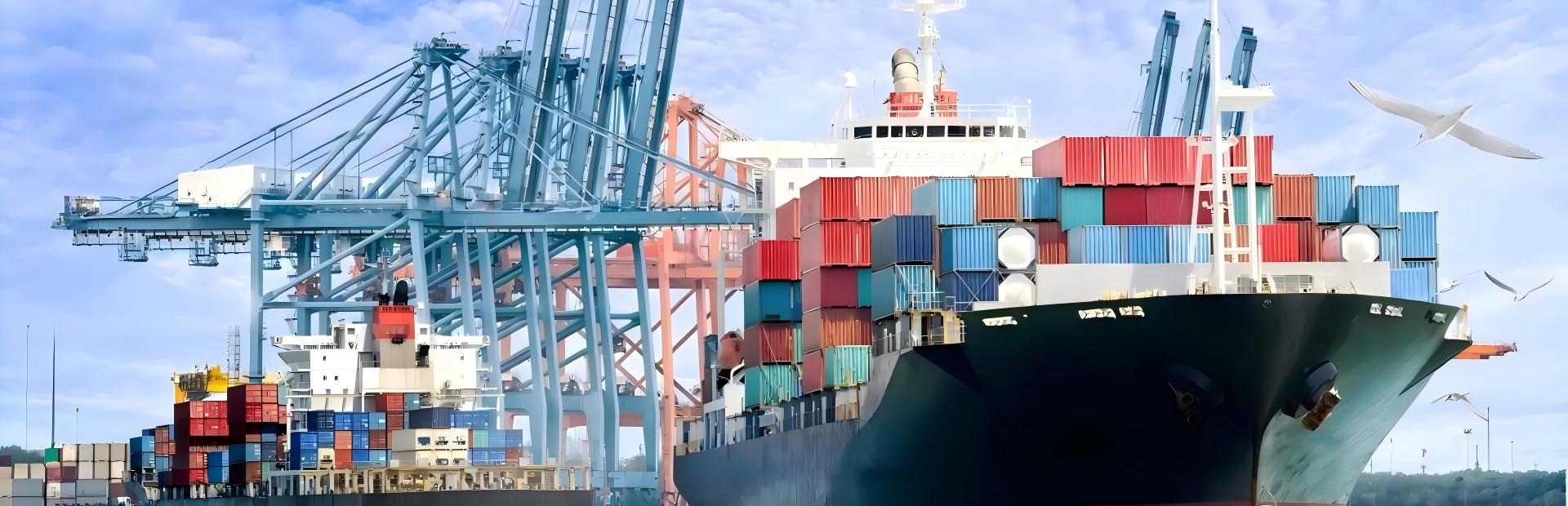
China to Australia shipping costs are mainly affected by transportation method, cargo size, shipment volume, route selection, customs requirements, and additional logistics services.
The cost of shipping from china to Australia is not based on freight rates alone. The final transportation expense depends on multiple factors throughout the supply chain.
Major cost factors include:
Shipping method
Cargo weight and volume
Container type
Origin and destination locations
Seasonal market conditions
Customs requirements
Delivery services
Additional handling needs
For manufacturers and importers, understanding these factors helps create more accurate budgets and avoid unexpected logistics expenses.
The most cost-effective shipping solution is usually the one that balances transportation price, delivery speed, and supply chain reliability.
The choice between sea freight, air freight, and express shipping has the biggest impact on transportation costs.
Sea freight is generally the most economical option for large shipments.
It is suitable for:
Full container loads
Large commercial orders
Heavy products
Regular inventory shipments
Sea freight costs are affected by:
Container size
Shipping route
Port charges
Cargo volume
Freight market conditions
Common options include:
fcl shipping uses an entire container for one shipment.
Suitable for:
Large production orders
Wholesale shipments
Regular suppliers
lcl shipping shares container space with other shipments.
Suitable for:
Smaller cargo volumes
Trial orders
New market testing
Air freight provides faster transportation but usually costs more.
Pricing is affected by:
Chargeable weight
Flight availability
Fuel costs
Destination airport
Seasonal demand
Air freight is often chosen for:
Urgent orders
High-value products
Samples
Production replacement parts
Businesses should evaluate whether faster delivery creates enough value to justify higher transportation costs.
Cargo size and weight directly influence international shipping prices.
For sea freight, costs are usually related to:
Container usage
Cubic volume
Shipment quantity
For air freight, carriers often calculate charges using:
Actual weight
Dimensional weight
Dimensional weight considers the space cargo occupies rather than only physical weight.
For example, lightweight products with large packaging may have higher air freight costs because they use significant cargo space.
Optimizing product packaging can help reduce unnecessary transportation expenses.
Container selection plays an important role in sea freight pricing.
Common container options include:
20-foot containers
40-foot containers
40-foot high cube containers
Choosing the right container size helps avoid paying for unused space.
Businesses should evaluate:
Total cargo volume
Product dimensions
Shipment frequency
Future inventory needs
For smaller shipments, LCL may be more economical. For larger shipments, FCL often provides better cost efficiency.
The shipping route between China and Australia influences transportation expenses.
Costs may vary depending on:
Departure port
Destination port
Carrier availability
Transit distance
Port congestion
Major Chinese export locations include:
Shenzhen
Guangzhou
Shanghai
Ningbo
Qingdao
Common Australian destinations include:
Sydney
Melbourne
Brisbane
Perth
Choosing an efficient route helps improve both cost control and delivery performance.
International shipping costs include more than transportation charges.
Import-related expenses may include:
Customs duty
Goods and Services Tax (GST)
Customs processing fees
Inspection charges
These costs depend on:
Product category
HS code
Declared value
Import regulations
Incorrect product classification or incomplete documents may create additional costs.
Preparing customs information before shipment helps businesses estimate the total landed cost more accurately.
Incoterms define responsibilities between sellers and buyers.
Different terms create different cost structures.
The supplier handles goods until shipment loading.
The buyer manages international transportation and import procedures.
The seller arranges transportation to the destination port.
The seller or logistics provider manages:
Transportation
Duties
Taxes
Final delivery
DDP provides better cost visibility but requires accurate calculation of all logistics expenses.
Choosing the right Incoterm helps avoid unexpected charges.
Shipping prices can change depending on market conditions.
Factors that may increase costs include:
Peak shopping seasons
Holiday periods
Limited vessel space
Increased cargo demand
Common high-demand periods may include:
Before major retail seasons
End-of-year purchasing periods
Manufacturing peak cycles
Advance shipment planning helps businesses avoid higher costs caused by urgent bookings.
Packaging has a direct impact on transportation efficiency.
Businesses can reduce costs by:
Optimizing package dimensions
Reducing unnecessary materials
Improving pallet arrangement
Increasing container utilization
Better packaging helps:
Reduce volume charges
Improve loading efficiency
Protect products during transportation
Manufacturers should consider logistics efficiency during product design and packaging planning.
Documentation problems can create additional expenses.
Common issues include:
Incorrect commercial invoices
Missing certificates
Wrong HS codes
Inconsistent shipment information
Possible additional costs include:
Storage fees
Inspection charges
Clearance delays
Additional handling expenses
Professional document preparation helps reduce these risks.
Door-to-door shipping combines multiple logistics stages into one service.
It may include:
Factory pickup in China
Export handling
International transportation
Customs coordination
Australian delivery
Although door-to-door shipping may have a higher quoted price than port-to-port transportation, it can reduce management costs and simplify operations.
For businesses without local logistics experience, door-to-door solutions often provide better overall value.
Businesses can optimize shipping expenses through several methods.
Use:
Sea freight for large planned shipments
Air freight for urgent cargo
Combining smaller orders can reduce repeated transportation costs.
Reducing unnecessary volume lowers shipping expenses.
Advance booking helps avoid peak season pricing.
Clear responsibility distribution prevents unexpected charges.
Professional logistics providers help optimize routes, services, and documentation.
A complete cost calculation should include:
| Cost Category | Examples |
|---|---|
| Transportation | Sea freight, air freight |
| Origin Charges | Pickup, export handling |
| Customs Costs | Duties, GST, clearance fees |
| Destination Costs | Local delivery, warehouse handling |
| Additional Services | Inspection, special handling |
Looking at total landed cost provides a more accurate picture than comparing freight rates alone.
China to Australia shipping involves multiple cost elements across international transportation and import procedures.
Understanding these factors helps businesses:
Create accurate budgets
Select suitable shipping methods
Avoid unexpected charges
Improve supply chain planning
For manufacturers, wholesalers, and importers, effective logistics planning creates long-term cost advantages.