
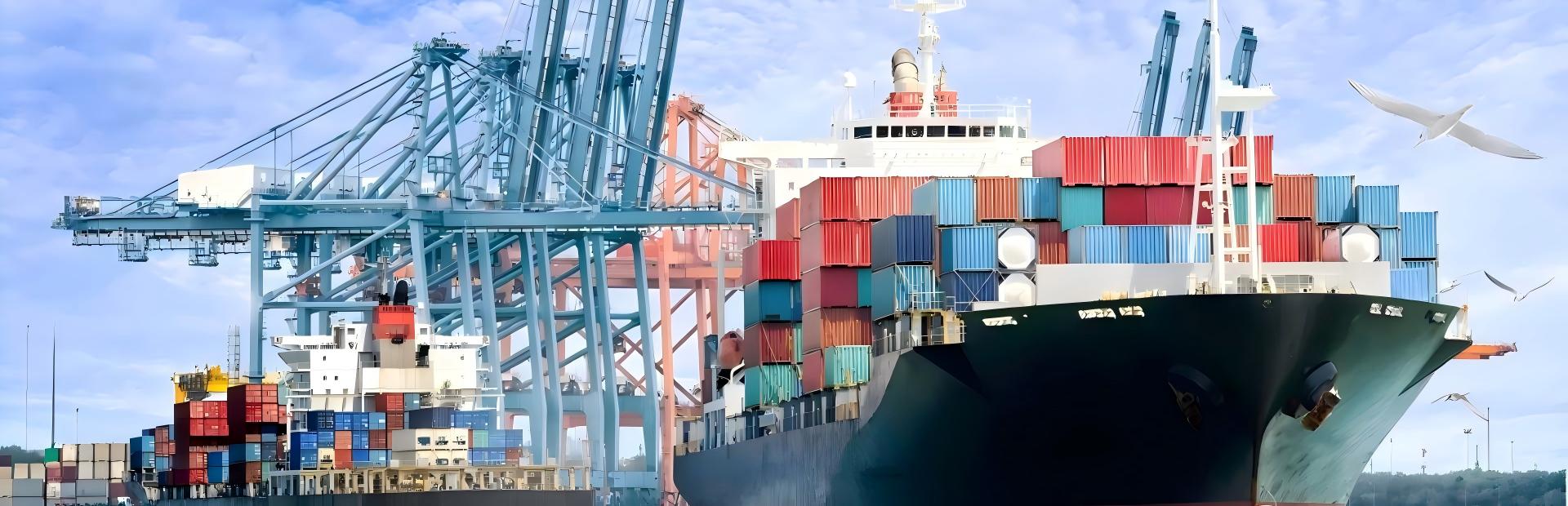
Brexit changed China to UK logistics by introducing new customs procedures, import requirements, documentation processes, and supply chain considerations for businesses trading with the UK.
Brexit changed the way goods move between China and the UK because the UK introduced independent customs procedures after leaving the European Union.
Before Brexit, many businesses importing goods into the UK benefited from EU-wide trade procedures. After Brexit, shipments entering the UK require additional attention to:
UK customs declarations
Import documentation
VAT management
Product compliance
Supply chain planning
For manufacturers, wholesalers, and importers, logistics is no longer only about transportation. Customs preparation and regulatory planning have become important parts of China-UK supply chain management.
One of the biggest changes after Brexit was the introduction of separate UK customs procedures.
Importers now need to manage:
UK import declarations
Customs classification
Duty calculation
VAT requirements
Import records
Previously, some businesses shipping through EU distribution networks could manage goods differently. After Brexit, companies importing directly into the UK must consider UK-specific customs processes.
This means accurate documentation has become more important for China-to-UK shipments.
Common documents include:
Commercial invoices
Packing lists
Transportation documents
Certificates when required
Professional logistics planning helps businesses reduce customs delays.
Brexit did not directly determine international freight rates, but it introduced additional logistics factors that can affect total import costs.
Potential cost changes include:
customs clearance fees
Additional documentation costs
Import administration expenses
Warehouse adjustments
Supply chain restructuring
The transportation cost from China to the UK still depends mainly on:
Shipping method
Cargo volume
Freight market conditions
Route selection
However, businesses now need to consider the complete landed cost, including customs and import-related expenses.
Documentation became more important after Brexit because UK imports require independent customs procedures.
Businesses need to prepare accurate information about:
Product description
HS codes
Shipment value
Country of origin
Import details
Common documentation problems include:
Unclear descriptions may affect customs classification.
Incorrect classification may result in wrong duty calculation.
Incomplete paperwork may delay cargo release.
For China exporters and UK importers, document accuracy is now a key part of logistics efficiency.
Brexit changed some supply chain strategies rather than completely changing transportation routes.
Businesses began evaluating:
UK direct import routes
EU warehouse locations
Distribution strategies
Inventory planning
Common logistics options include:
Goods move directly from Chinese suppliers to UK destinations.
Advantages:
Direct customs handling
Simpler supply chain
Better control for UK-focused businesses
Some companies use European warehouses for regional distribution.
Advantages:
Flexible inventory management
Regional fulfillment options
The best solution depends on business model, customer location, and logistics requirements.
E-commerce businesses experienced significant changes because cross-border fulfillment became more complex.
After Brexit, sellers need to consider:
UK VAT requirements
Import procedures
Warehouse location
Delivery networks
For Amazon sellers and online retailers, logistics planning became more important.
Common solutions include:
Suitable for:
Small shipments
Low inventory models
Suitable for:
Faster customer delivery
Larger inventory management
Suitable for:
Sellers seeking simplified import procedures
Professional logistics support helps e-commerce businesses adapt to post-Brexit requirements.
VAT management became a key consideration after Brexit.
Importers need to understand:
When VAT applies
Who is responsible for payment
How import procedures affect final costs
Shipping terms influence VAT responsibilities.
For example:
The seller or logistics provider manages more import responsibilities.
The buyer usually handles import procedures and related charges.
Choosing the correct shipping term helps businesses manage costs and responsibilities more effectively.
Yes. Freight forwarders became more important because businesses need more support with customs and compliance.
Modern China-to-UK logistics providers help with:
Transportation planning
Customs coordination
Document preparation
Duty and tax management
Door-to-door delivery
Before Brexit, some businesses focused mainly on transportation costs.
After Brexit, logistics partners need stronger knowledge of:
UK customs procedures
Import requirements
Compliance processes
The role of freight forwarders has expanded from transportation management to supply chain coordination.
Several logistics solutions gained more attention after Brexit.
DDP became popular among businesses wanting simpler import procedures.
Benefits include:
Predictable costs
Reduced customs management
Easier international purchasing
Door-to-door solutions help manage:
Supplier pickup
International freight
Customs coordination
UK delivery
Warehousing helps businesses:
Store inventory closer to customers
Improve delivery speed
Manage stock more efficiently
Businesses can improve logistics efficiency by focusing on:
Prepare:
Accurate documents
Correct HS codes
Product compliance information
Select between:
DDP
DAP
FOB
based on business capability.
Consider:
Shipping lead times
Warehouse locations
Customer delivery expectations
Professional support helps businesses manage changing requirements.
Common challenges include:
Businesses must manage UK-specific procedures.
Accurate paperwork is essential.
Some products require additional approvals.
Companies may need to redesign:
Warehouse strategies
Delivery networks
Inventory planning
Understanding these challenges helps businesses create more stable logistics solutions.
Chinese manufacturers can improve cooperation with UK buyers by providing better logistics support.
Important practices include:
Preparing accurate export documents
Understanding UK import requirements
Offering suitable shipping options
Working with experienced freight partners
Manufacturers that provide reliable logistics coordination create stronger relationships with UK customers.
China-UK trade continues to depend on efficient logistics networks.
Future logistics strategies are likely to focus on:
Digital shipment visibility
Better customs management
Flexible transportation options
Integrated supply chain solutions
Businesses that combine manufacturing capability with reliable logistics planning can better adapt to international trade changes.
Brexit changed China-UK logistics from a transportation-focused process into a more comprehensive supply chain management challenge.
Businesses now need support with:
Customs procedures
Documentation
Import compliance
Transportation planning
Delivery coordination
A professional logistics partner helps importers manage these requirements and build more reliable China-to-UK supply chains.