
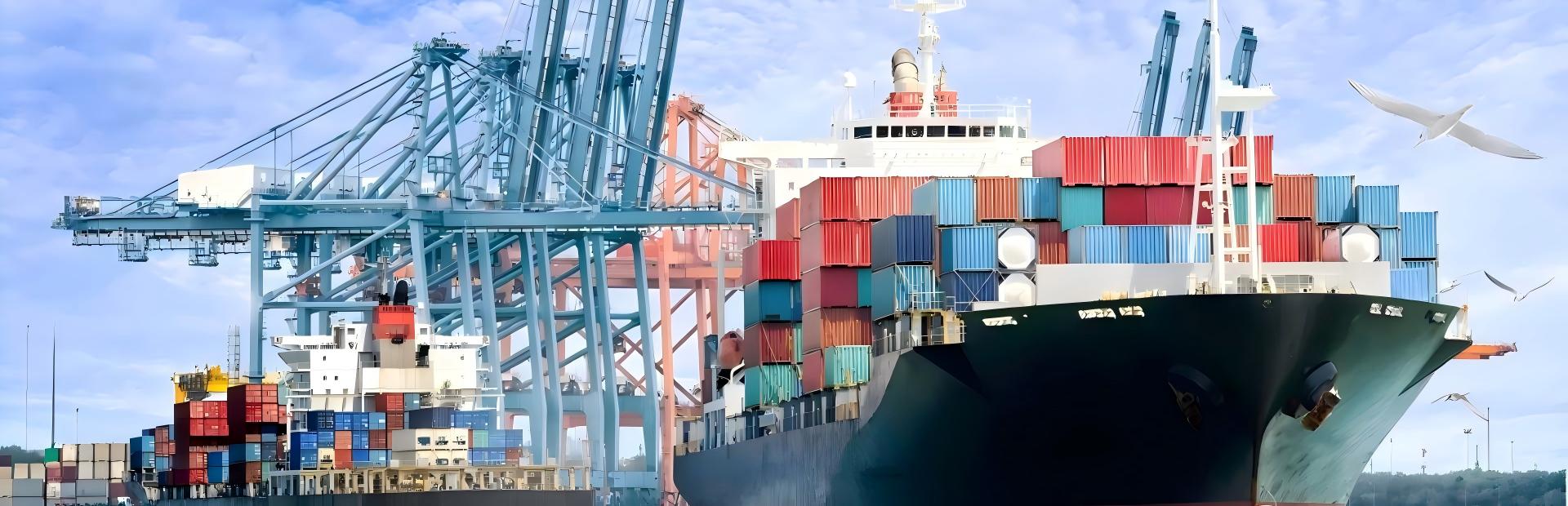
China to UK door-to-door shipping covers the complete logistics process from supplier pickup in China to final delivery in the UK, including transportation, customs coordination, and local delivery.
China to UK door-to-door shipping is an integrated logistics solution where one logistics provider manages the complete shipment journey from the supplier’s location in China to the buyer’s destination in the UK.
Unlike traditional port-to-port shipping, door-to-door logistics reduces the need for importers to coordinate multiple service providers.
The service usually includes:
Factory pickup in China
Export documentation
International transportation
UK customs clearance coordination
Import duty and tax handling when applicable
Final delivery to the destination
This shipping model is commonly used by:
Manufacturers
Importers
Wholesalers
E-commerce sellers
Retail businesses
For companies importing from China, door-to-door shipping creates a simpler and more predictable logistics process.
The complete process usually includes several stages.
The process begins when the logistics provider collects goods from the supplier or factory.
Pickup locations may include:
Manufacturing facilities
Supplier warehouses
Consolidation centers
During pickup, logistics teams confirm:
Product quantity
Cargo weight
Package dimensions
Shipping requirements
Accurate cargo information helps determine the best transportation method and prevents additional charges.
Before shipment departure, products need proper preparation.
This may include:
Checking product condition
Confirming packaging
Preparing export documents
Verifying shipment details
Common export documents include:
Commercial invoice
Packing list
Transportation documents
Product certificates when required
Professional preparation helps reduce export delays and customs problems.
The transportation method depends on cargo volume, delivery requirements, and budget.
Sea freight is the most common option for commercial shipments.
Suitable for:
Large orders
Full container shipments
Wholesale products
Machinery
Furniture
Industrial goods
Common solutions include:
Full Container Load is suitable for large-volume shipments.
Benefits:
Better container control
Reduced handling
Cost efficiency for large cargo
Less Container Load is suitable for smaller shipments.
Benefits:
Flexible for smaller orders
Lower entry cost
Suitable for market testing
Air freight provides faster transportation.
Suitable for:
Urgent shipments
Samples
High-value products
Time-sensitive inventory
Although the cost is higher, air freight helps businesses respond quickly to customer demand.
Before goods leave China, export procedures must be completed.
The process includes:
Export declaration
Document verification
Cargo information confirmation
Accurate information is important because errors may affect shipment schedules.
A professional freight forwarder coordinates with suppliers to ensure export requirements are completed correctly.
After export clearance, cargo moves from China to the UK.
Transportation options include:
Air freight
During transportation, logistics providers monitor:
Shipment progress
Estimated arrival time
Documentation status
Reliable tracking helps businesses prepare for receiving goods.
UK customs clearance is an important stage of China-to-UK shipping.
The process usually requires:
Commercial invoice
Packing list
HS code information
Shipment value
Import details
Customs procedures may involve:
Duty calculation
VAT assessment
Document review
Cargo release approval
Professional logistics support helps importers manage customs requirements more efficiently.
After customs clearance, goods are delivered to the final destination.
Delivery locations may include:
Warehouses
Retail stores
Distribution centers
Business addresses
The complete door-to-door process provides a direct connection between Chinese suppliers and UK buyers.
Delivery time depends on transportation method, origin location, destination, customs procedures, and final delivery arrangements.
Typical estimates include:
| Shipping Method | Average Door To Door Time |
|---|---|
| Sea Freight | Around 30–50 days |
| Air Freight | Around 5–12 days |
| Express Shipping | Around 3–7 days |
Actual delivery time may vary because of:
Peak shipping seasons
Port congestion
Customs inspections
Local delivery distance
Early logistics planning helps businesses choose suitable shipping schedules.
Door-to-door shipping provides several advantages.
Importers do not need to coordinate:
Multiple carriers
Customs providers
Local delivery companies
One logistics partner manages the complete process.
Door-to-door solutions help businesses understand total logistics expenses, including:
Transportation costs
Customs-related charges
Delivery expenses
This improves budgeting accuracy.
For businesses without UK logistics experience, door-to-door shipping reduces the need to manage complicated import procedures.
A coordinated shipping process provides better visibility from supplier pickup to final delivery.
The main difference is the level of responsibility managed by the logistics provider.
| Shipping Method | Buyer Responsibility |
|---|---|
| Port-to-Port Shipping | Manage customs and local delivery separately |
| Door-to-Door Shipping | Receive complete logistics service |
Port-to-port shipping may work well for experienced importers with existing logistics networks.
Door-to-door shipping is often better for businesses seeking convenience and simplified operations.
It depends on the shipping terms.
Delivered Duty Paid shipping may include:
International transportation
Customs clearance
Import duties
Taxes
Final delivery
This provides predictable landed costs.
Delivered At Place usually covers transportation to the destination, while the buyer manages import duties and taxes.
Businesses should confirm responsibilities before shipment.
Common documents include:
Provides:
Product details
Shipment value
Buyer and seller information
Provides:
Package information
Weight
Dimensions
Including:
Bill of lading for sea freight
Air waybill for air freight
Required for certain regulated products.
Accurate documentation improves customs clearance efficiency.
Door-to-door shipping supports many commercial products, including:
Consumer goods
Electronics
Furniture
Hardware products
Industrial components
Retail inventory
Different products may require different shipping arrangements.
For example:
Fragile products may need special packaging.
Large equipment may require project planning.
Regulated products may require additional documents.
A professional logistics partner should provide:
Ability to coordinate with factories and suppliers.
Understanding of customs procedures and delivery networks.
Support for:
Sea freight
Air freight
Express shipping
Clear explanation of included services and possible charges.
Regular updates throughout the shipment process.
Selecting the right provider helps businesses create a more stable supply chain.
Common challenges include:
Missing information can delay customs clearance.
Wrong HS codes may affect import procedures.
Businesses may face unexpected costs without clear agreements.
Communication problems can affect delivery schedules.
Professional planning helps reduce these risks.
International shipping involves multiple stages between suppliers, carriers, customs teams, and local delivery networks.
Door-to-door shipping connects these processes into one complete solution.
For manufacturers and importers, it helps improve:
Logistics efficiency
Cost control
Delivery reliability
Supply chain visibility