
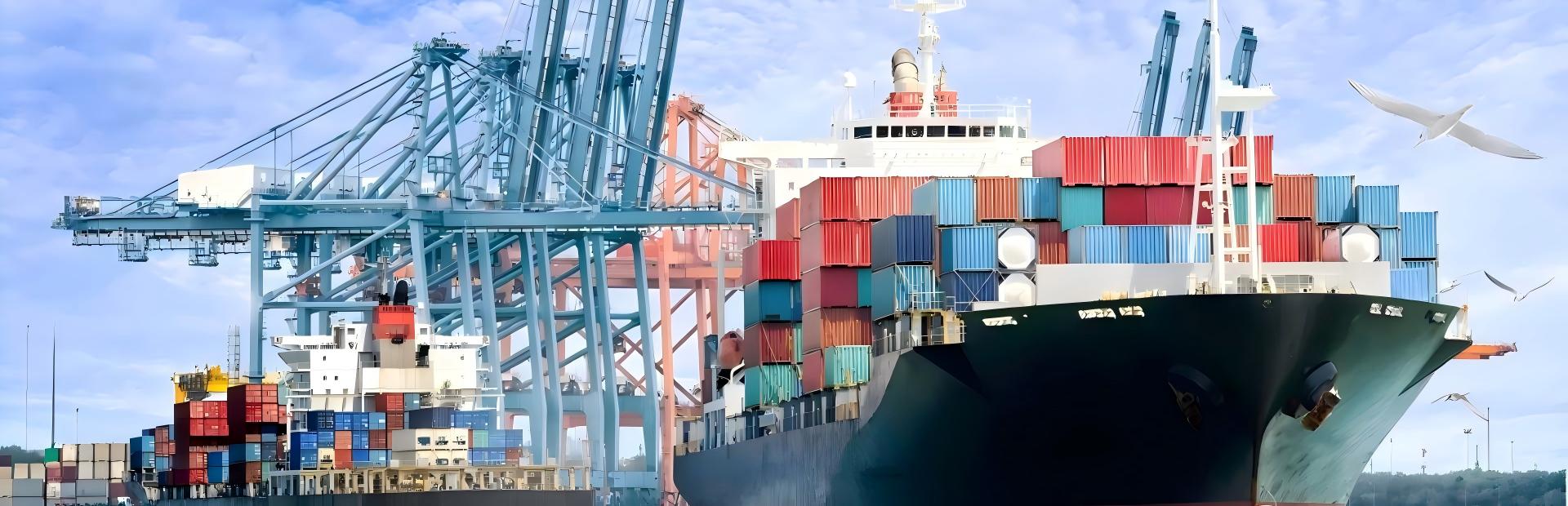
To choose a reliable China to Germany freight forwarder, evaluate its route experience, export coordination, EU customs support, pricing transparency, transportation options, and ability to manage delivery from supplier pickup to the final destination.
A China to Germany freight forwarder coordinates the movement of goods from Chinese suppliers to German importers, including transportation, documentation, customs coordination, and destination delivery.
The right provider should understand both Chinese export procedures and the requirements for importing goods into Germany.
Before choosing a freight forwarder, evaluate these six factors:
Experience with China-to-Germany shipments
Sea freight and air freight capabilities
Export documentation and customs coordination
Transparent quotations and cost control
German delivery and warehousing options
Communication, tracking, and problem-solving
For importers, the most reliable option is not necessarily the cheapest provider. It is the provider that can manage the complete shipping process with clear responsibilities and predictable costs.
Route experience is one of the first factors to evaluate because international shipping involves more than booking space on a vessel or aircraft.
An experienced freight forwarder should understand the operational requirements of both origin and destination.
A China-based logistics team may help arrange:
Factory pickup
cargo consolidation from multiple suppliers
Packing and shipping mark checks
Export documentation
Export customs procedures
International freight bookings
This is particularly useful when an importer purchases goods from several Chinese manufacturers with different production schedules.
The freight forwarder should also explain how import clearance will be arranged in Germany, including coordination with the relevant customs representative.
Germany is part of the EU customs territory, so shipments generally need to comply with applicable EU customs rules and relevant German import procedures.
Before booking, ask whether the provider handles the route directly or relies on overseas agents. Both arrangements can work, but responsibilities and communication channels should be clearly defined.
Yes. Access to different transportation options allows businesses to select a shipping method based on cargo volume, urgency, and budget.
Sea freight is generally suitable for:
Large commercial shipments
Heavy machinery and equipment
Furniture and bulky products
Wholesale orders
Regular inventory replenishment
Importers can choose between Full Container Load (FCL) and Less than Container Load (LCL), depending on shipment volume.
FCL uses a dedicated container for one shipment, while LCL allows cargo to share container space with other shipments.
Sea freight is usually more economical for larger cargo volumes, although port handling, consolidation, and inland delivery costs must also be considered.
Air freight is suitable for:
Urgent orders
Product samples
High-value goods
Replacement components
Time-sensitive inventory
Air freight usually costs more per unit of chargeable weight but can reduce transportation time.
A capable freight forwarder should explain the cost and timing differences instead of recommending the same solution for every shipment.
Customs capability is essential because incorrect information can lead to declaration amendments, additional charges, or delayed cargo release.
Before selecting a provider, ask how it manages the following requirements.
The correct commodity code affects customs duty rates, trade measures, and potential product-specific requirements.
The classification should reflect the product's material, function, construction, and intended use. Importers should not rely solely on a supplier's generic product description.
The customs value must be determined according to the applicable rules. Depending on the transaction and valuation method, relevant transport, insurance, and other costs may need to be considered.
Common shipping documents include:
Commercial invoice
Packing list
Bill of lading or air waybill
Supporting certificates or permits when required
The exact requirements depend on the goods, customs procedure, and shipment arrangements.
Ask who will submit the customs declaration and what information the importer must provide.
A freight forwarder can coordinate customs clearance, but appointing a logistics provider does not automatically remove the importer's legal responsibilities.
Shipping costs depend on the transportation method, cargo characteristics, route, and services included in the quotation.
A complete quotation may contain several cost categories.
| Cost Category | What To Check |
|---|---|
| Origin charges | Factory pickup, handling, export services |
| International freight | Sea freight or air freight charges |
| Destination charges | Port, terminal, or airport handling |
| Customs services | Declaration and clearance fees |
| Duties and taxes | Applicable import duty and VAT |
| Final delivery | Trucking, warehouse delivery, or residential delivery |
| Additional services | Inspection, storage, special handling |
The most important comparison is the total cost for the same service scope.
For example, one quotation may include customs clearance and final delivery, while another covers only international freight. Comparing their headline prices would not provide a fair assessment.
Ask the freight forwarder to identify included services, excluded charges, and circumstances that may generate additional fees.
The choice depends on how the seller and buyer want to allocate transportation, customs, and tax responsibilities.
Under DDP, the seller is responsible for arranging delivery and handling import formalities, including applicable duties and taxes, under the agreed Incoterms rules.
DDP may suit buyers who want a more integrated shipping arrangement. However, the parties must confirm that the proposed importer and customs arrangements are legally workable in Germany.
Under DAP, the seller arranges transportation to the agreed destination, while the buyer generally handles import clearance and applicable import duties and taxes.
DAP may suit established importers with their own customs representatives and import processes.
Before agreeing to either term, confirm who handles the customs declaration, how import VAT will be managed, and whether final delivery is included.
Yes. Many freight forwarders can coordinate door-to-door shipping through their own operations and overseas partners.
A typical service may include:
Collection from a factory or supplier in China
Export preparation and customs procedures
International sea freight or air freight
Coordination of German import clearance
Payment arrangements for applicable charges under the agreed terms
Final delivery to a warehouse or business address
Door-to-door shipping can reduce the number of separate providers an importer needs to coordinate.
However, importers should verify whether the quotation includes all stages and whether the provider can support the specific delivery location and cargo type.
Reliability should be assessed through verifiable service capabilities rather than marketing claims alone.
Ask for examples of comparable shipments involving similar products, volumes, and destinations.
Check whether the provider can coordinate:
Factory pickup
Cargo consolidation
Sea freight and air freight
Customs clearance
Destination handling
Final delivery
Confirm how shipment updates are provided, who manages the account, and how unexpected problems are escalated.
A professional provider should explain how the quotation is structured and identify potential additional charges.
If German operations are handled by a local agent, ask who will be responsible for customs coordination, delivery scheduling, and resolving problems.
A clear operating process is often a better indicator of reliability than a low quotation alone.
Use this checklist when comparing China-to-Germany freight forwarders.
Route experience: How frequently do you handle shipments from China to Germany?
Transportation: Can you arrange both FCL/LCL sea freight and air freight?
Customs: Who coordinates German import clearance?
Documentation: Which documents must the supplier and importer provide?
Pricing: Which charges are included, and which may be billed separately?
Shipping terms: Can you explain the responsibilities under DDP or DAP?
Delivery: Is final delivery to the German address included?
Tracking: How will shipment progress and delays be communicated?
Cargo requirements: Can you handle the specific product and its compliance needs?
Problem resolution: Who is responsible if documentation or delivery issues arise?
The answers provide a practical basis for comparing providers beyond their initial freight rates.
Several common mistakes can increase costs and disrupt delivery schedules.
A low price may exclude destination handling, customs services, or final delivery.
Some goods require additional documentation, permits, safety information, or regulatory checks. These requirements should be confirmed before shipping.
Transportation booking and customs clearance are different services. The quotation should specify who handles each stage.
Incorrect weight, dimensions, product descriptions, or declared values may result in revised charges or customs queries.
Importers should check whether the destination address is accessible for the cargo type and whether special unloading or appointment arrangements are required.
Early verification helps prevent avoidable problems after the shipment has departed.
A simple selection process can help narrow the options.
Define the shipment: Confirm product type, volume, weight, origin, destination, and required delivery date.
Request comparable quotations: Ask shortlisted providers to quote for the same transportation method and service scope.
Verify customs support: Confirm the proposed declaration and tax arrangements.
Evaluate communication: Check how quickly and clearly each provider answers operational questions.
Confirm responsibilities in writing: Document service inclusions, exclusions, payment terms, and delivery arrangements.
For regular shipments, it is also useful to evaluate whether the provider can support future volume changes, multiple suppliers, and repeat delivery schedules.
A reliable freight forwarder helps connect Chinese suppliers with German importers through coordinated transportation, documentation, customs arrangements, and final delivery.
For manufacturers, wholesalers, distributors, and importers, the right logistics partner can improve cost visibility, reduce communication gaps, and support more predictable supply chain planning.
The best choice is the provider whose route experience, service coverage, customs coordination, and pricing structure match the actual shipment requirements.
Our team provides international logistics solutions including sea freight, air freight, cargo consolidation, customs clearance coordination, and door-to-door shipping. Service arrangements can be tailored to supplier locations, cargo volume, delivery deadlines, and destination requirements.
Contact us to discuss your China-to-Germany shipment and receive a logistics plan suited to your business.