
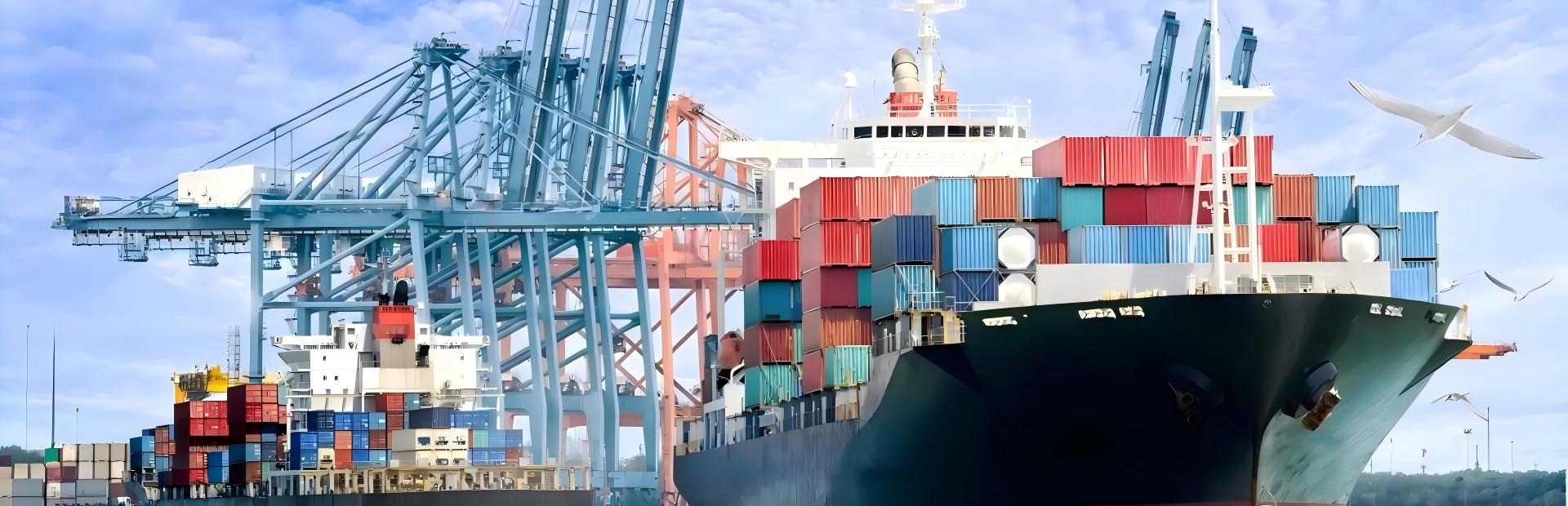
Choosing between ocean freight and air freight is one of the most important logistics decisions for international shippers. The choice directly affects transportation cost, delivery speed, inventory planning, and overall supply chain stability. There is no universal answer that fits every shipment. The right option depends on cargo characteristics, delivery requirements, and long-term logistics strategy.
Understanding when ocean freight is the better choice, and when air freight is necessary, helps businesses control costs without compromising operational performance.
Ocean freight is designed for high-volume, heavy, or non-urgent cargo. It offers significantly lower cost per unit and is well suited for stable supply chains with predictable demand. Transit time is longer, but capacity is higher and cost fluctuation is usually more manageable when shipments are planned in advance.
Air freight prioritizes speed and reliability. It is ideal for time-sensitive cargo, high-value goods, or urgent replenishment. However, the cost per kilogram is substantially higher, and capacity constraints can increase risk during peak seasons.
The decision is not about choosing the fastest method, but about choosing the most efficient one for your business model.
Ocean freight is often the preferred option when cost control and scalability are the primary concerns. For many international sellers, especially those shipping to fulfillment centers or overseas warehouses, ocean freight provides a more sustainable long-term solution.
Shipments with large volume or high weight benefit most from ocean freight, as air freight costs increase rapidly with size and weight. Products with stable demand cycles can tolerate longer transit times when inventory planning is done correctly.
Ocean freight is also suitable when shipping under structured delivery models such as full container load or consolidated shipments, where cost efficiency improves through optimized loading and routing.
WANHAO Logistics supports ocean freight solutions designed to balance transit time and cost efficiency, helping shippers maintain predictable delivery schedules without unnecessary expense.
Air freight is the right choice when delivery speed directly affects business performance. This includes urgent replenishment, seasonal demand spikes, or shipments with high value-to-weight ratios.
For products with short selling cycles or launch-driven demand, faster arrival may outweigh higher transportation cost. Air freight can also reduce inventory holding cost by shortening the supply cycle, which may offset part of the freight expense.
However, relying heavily on air freight as a standard shipping method often indicates planning gaps rather than operational strength.
Many businesses compare ocean and air freight based only on quoted transportation rates. In reality, total logistics cost includes inventory holding cost, warehousing fees, delivery penalties, and potential revenue loss caused by stock shortages.
Ocean freight requires stronger inventory forecasting, but it usually delivers lower total landed cost when planned properly. Air freight offers speed but exposes businesses to cost volatility and higher operational pressure.
A professional logistics strategy evaluates cost in relation to delivery outcome, not just transit time.
Air freight is often used to fix problems rather than support strategy. Delayed production, poor forecasting, or missed shipping windows frequently lead to emergency air shipments.
By improving shipment planning, consolidating cargo, and aligning production schedules with transportation timelines, businesses can reduce their dependence on air freight while maintaining delivery reliability.
Integrated logistics planning allows ocean freight to meet most delivery needs without sacrificing performance.
WANHAO Logistics works with shippers to design transportation plans that reduce emergency shipments and improve supply chain stability through structured ocean freight solutions.
In many cases, the most effective solution is not choosing one method exclusively, but combining both. Ocean freight can handle base inventory, while air freight is reserved for urgent or high-priority shipments.
This hybrid approach reduces overall cost while preserving flexibility. It also protects businesses from disruptions caused by demand fluctuations or unexpected delays.
An integrated logistics provider can coordinate both modes under a single shipment strategy, improving visibility and control.
Despite the speed advantage of air freight, ocean freight continues to carry the majority of global cargo. Its capacity, cost efficiency, and adaptability make it essential for scalable international trade.
For businesses targeting markets such as the USA, Europe, and Canada, ocean freight remains the foundation of long-term logistics planning. When combined with structured customs handling, overseas warehousing, and coordinated inland delivery, ocean freight delivers reliable performance without excessive cost.
WANHAO Logistics provides solution-oriented freight services that help businesses choose the most appropriate transportation mode based on cargo type, delivery timeline, and market requirements.
Choosing ocean freight over air freight is not about slowing down delivery. It is about building a logistics structure that balances cost, reliability, and scalability.
Ocean freight is the better choice for planned, high-volume shipments where cost control and predictability matter most. Air freight remains valuable for urgent or time-critical needs, but it should support strategy rather than replace planning.
A well-designed logistics plan uses the right mode at the right time. With professional guidance and integrated logistics coordination, businesses can achieve both cost efficiency and stable delivery performance without unnecessary compromise.