
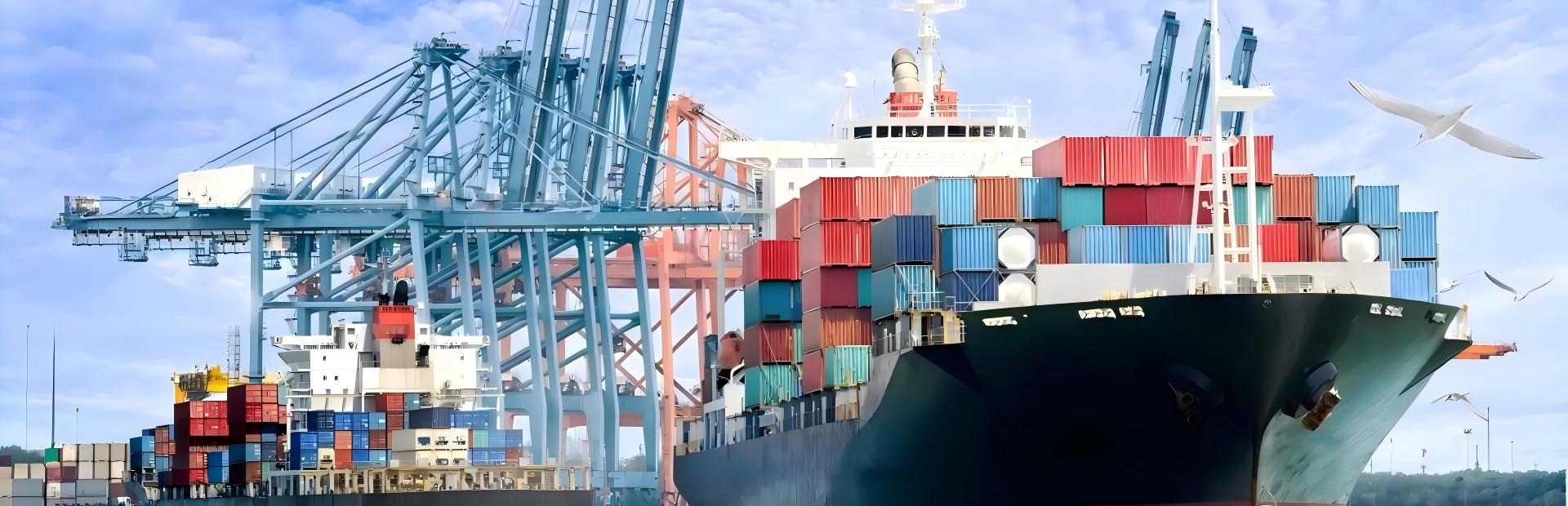
Overseas warehouses are no longer just storage points. In 2026, they function as inventory buffers, delivery accelerators, compliance support hubs, and risk-control tools inside modern supply chains. This matters because global freight remains under pressure. UNCTAD says maritime transport carries more than 80% of world trade by volume, while seaborne trade continues to adjust to geopolitical tension, route shifts, and higher logistics uncertainty. At the same time, IATA reported global air cargo demand rose 11.2% year over year in February 2026, showing that supply chains still need flexible replenishment when timing becomes critical.
For manufacturers, the biggest value of an overseas warehouse is decoupling production from final delivery. Instead of shipping every order directly from origin, factories can move goods in bulk, store them closer to the destination market, and release stock based on actual demand. This is especially useful in the OEM and ODM process, where production lead time, packaging confirmation, labeling, and shipment scheduling often do not match final delivery windows. A trader may focus on order movement, but a manufacturer needs tighter control over the full chain, from the manufacturing process overview to outbound delivery. That is where overseas warehousing becomes part of supply chain design rather than a simple add-on service.
Another key role is supporting bulk supply considerations. When goods are shipped in larger lots, overseas warehouses help reduce dependence on repeated urgent air shipments and improve stock allocation across multiple channels. WANHAO highlights integrated overseas warehousing, warehouse consolidation, customs coordination, and final delivery as part of its operating model. Its service information also shows nationwide FBA warehouse coverage in the United States, DDP customs handling, and delivery to commercial addresses, distribution centers, and Amazon fulfillment centers. This gives exporters more stable inventory positioning and more predictable landed cost.
Overseas warehouses also strengthen the project sourcing checklist. Before cargo leaves the factory, manufacturers need alignment on carton specs, pallet plans, packing lists, labels, quality control checkpoints, and export market compliance. Once stock is already positioned in the destination market, the final stage becomes easier to manage because the long international leg is completed earlier. This improves response time during seasonal peaks and reduces the impact of port delay or customs disruption on end customers. WANHAO specifically describes overseas warehousing as a way to improve flexibility, shorten delivery cycles, and support multi-channel fulfillment with lower logistics risk.
| Role of overseas warehouses | Supply chain impact |
|---|---|
| Bulk inventory positioning | Fewer emergency replenishment shipments |
| Local fulfillment support | Faster final delivery |
| Consolidation and storage | Better stock control across channels |
| Customs and DDP coordination | Lower clearance and handoff risk |
| Buffer against route disruption | Stronger continuity during delays |
In modern supply chains, overseas warehouses help manufacturers move from reactive shipping to planned fulfillment. They support cost control, delivery consistency, and operational resilience across cross-border logistics. For companies handling OEM orders, repeat bulk programs, or time-sensitive replenishment, WANHAO’s integrated model combines freight, customs clearance, overseas warehousing, and final delivery into one connected workflow. That makes overseas warehousing not just a storage solution, but a practical tool for building a more stable export system.