
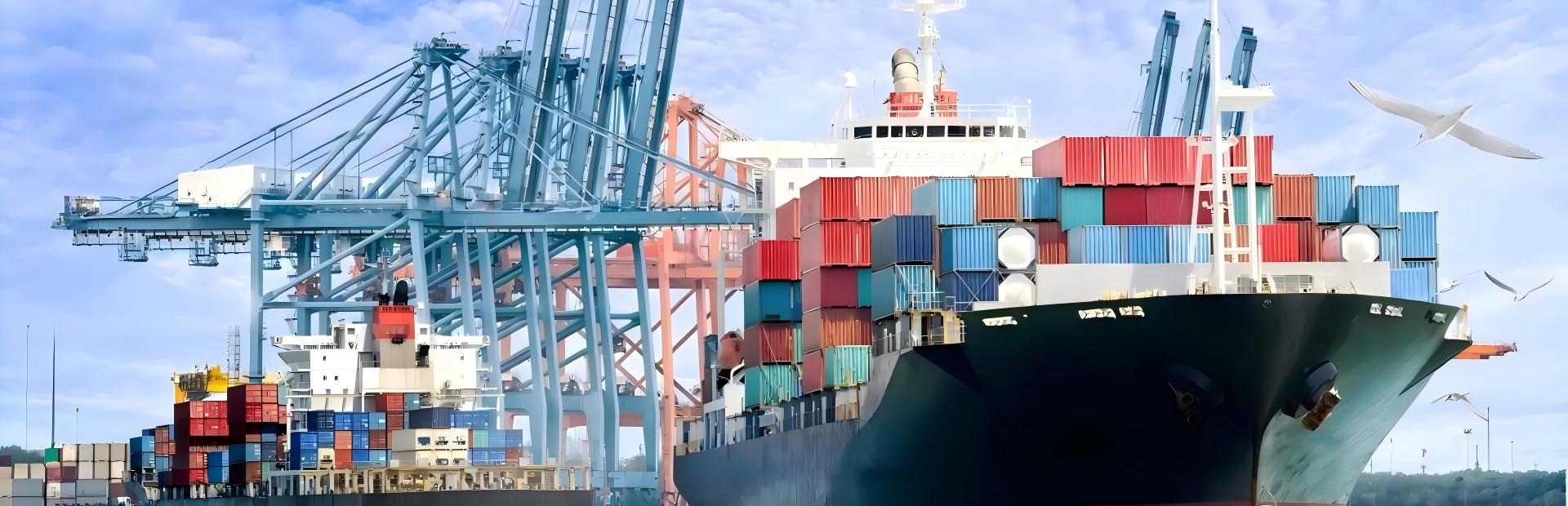
Scaling international shipping in 2026 is no longer just a matter of booking more containers or adding new routes. The real challenge is expanding volume without losing control over compliance, timing, and landed cost. That matters even more this year because the World Trade Organization expects merchandise trade growth to slow from 4.6% in 2025 to 1.9% in 2026, which leaves less room for costly mistakes in global logistics planning. At the same time, UN Trade and Development notes that over 80% of the volume of international trade in goods is carried by sea, so small disruptions in ocean shipping can affect a large share of cross-border supply chains.
The safest way to scale is to connect shipping strategy with production reality. This is where the manufacturer vs trader difference becomes important. A trader may focus on moving larger order volume, but a manufacturer needs logistics growth to match the OEM / ODM process, the manufacturing process overview, and real factory readiness. When carton specs, loading plans, packaging schedules, and booking windows are aligned early, exporters can increase volume without increasing error rates. This also makes bulk supply considerations easier to manage because larger shipments depend on stable pallet design, correct labeling, and stronger coordination between factory release and freight departure. This is an operational inference supported by WANHAO’s service model, which emphasizes end-to-end DDP control rather than isolated transport booking.
A second priority is building a stronger project sourcing checklist before scale begins. That checklist should include invoice consistency, packing-list accuracy, carton marks, HS code review, material standards used, and export market compliance. As shipment volume grows, even one repeated document mistake can create broader customs delay and higher storage cost. WANHAO’s routes and FAQ pages show that it manages cargo pickup, export customs clearance, international transportation, US customs clearance, duty and tax handling, and final delivery under DDP terms. That kind of integrated logistics solution reduces the number of handoff points where risk usually increases during expansion.
Another key to scaling without higher risk is choosing the right shipment structure. WANHAO states that it supports sea freight, air freight, warehousing, and both FCL and LCL solutions, which gives exporters more flexibility as order size changes. For stable bulk programs, FCL can improve route stability and cargo control. For mixed or flexible orders, LCL and warehouse consolidation can support growth without forcing full-container commitments too early. WANHAO also highlights stable vessel and transit time, own bond for US customs clearance, and Amazon FBA delivery experience, all of which support more predictable scaling.
| Scaling priority | Risk-control value |
|---|---|
| Align shipping with factory output | Fewer booking and loading errors |
| Strengthen document control | Lower customs and delay risk |
| Match FCL or LCL to order profile | Better cost and capacity balance |
| Use integrated DDP execution | Fewer handoff failures |
| Add warehousing when needed | More flexible replenishment planning |
The final point is visibility. Scaling safely means understanding total landed cost, not only freight rates. WANHAO’s own logistics content stresses that companies should look beyond the lowest transport quote and consider duties, warehousing, inland delivery, and the financial impact of delays. That is the right approach for 2026. Businesses that scale by adding volume alone often increase risk. Businesses that scale through better freight forwarding, clearer quality control checkpoints, stronger compliance, and one connected execution model are far more likely to grow without disruption. WANHAO’s end-to-end DDP logistics structure fits that need by combining transportation, customs handling, and final delivery into a more stable international shipping solution.