
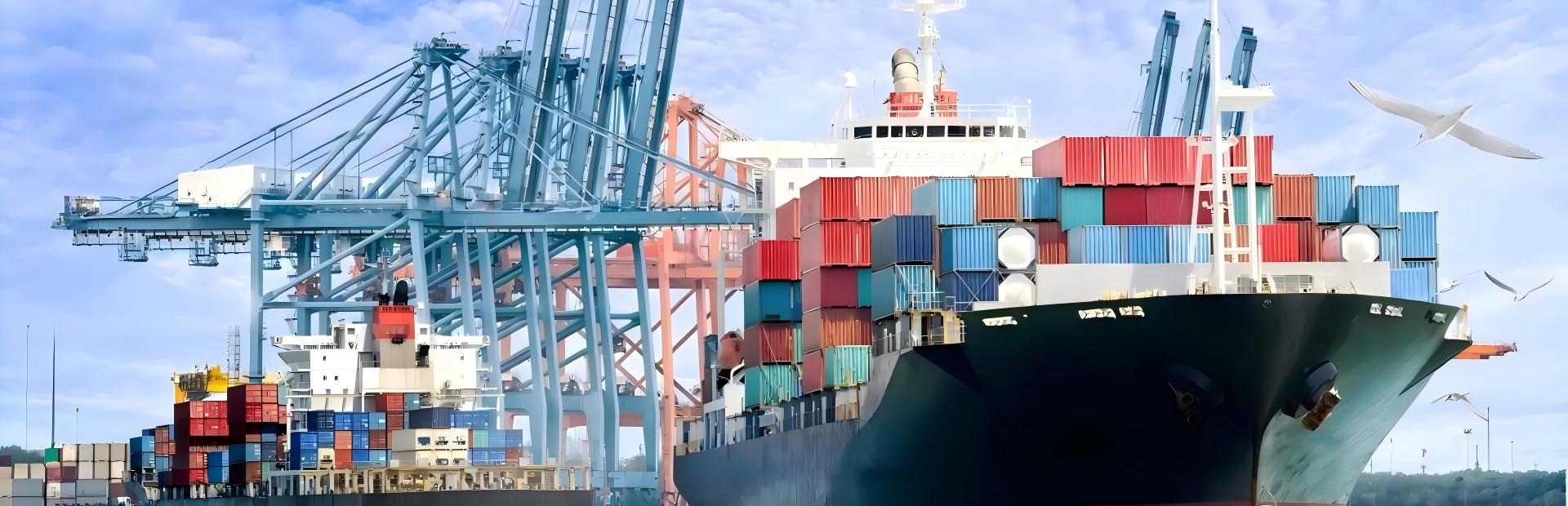
Importers shipping from china often face one common question: should the cargo move by FCL or lcl shipping? Both options are widely used in international logistics, but they serve different order sizes, cost structures, delivery plans, and risk levels.
FCL means full container load. The container is mainly used for one shipper’s cargo. LCL means less than container load. The cargo shares container space with shipments from other buyers. For importers, trading companies, and growing e-commerce sellers, choosing the right method can affect landed cost, transit control, cargo safety, and inventory planning.
Maritime transport remains one of the most important channels for global trade. Industry data shows that more than 80% of global trade volume moves by sea. Global maritime trade grew by 2.4% in 2023, while containerized trade was projected to rebound by 3.5% in 2024. This shows why importers need a clear shipping plan when buying from China.
| Comparison Point | fcl shipping | LCL Shipping |
|---|---|---|
| Cargo Volume | Better for larger shipments | Better for smaller shipments |
| Cost Structure | Pays for a full container | Pays by cargo volume or weight |
| Cargo Handling | Less cargo mixing | More consolidation handling |
| Transit Control | More direct and easier to manage | May need extra consolidation time |
| Damage Risk | Lower handling risk | Higher handling risk due to shared container |
| Best Fit | Stable bulk orders and large replenishment | Trial orders, mixed suppliers, flexible purchasing |
FCL shipping is usually better when the cargo volume is large enough to use most of a container. It gives importers stronger control because the container is not shared with other shipments. This can reduce handling, lower cargo mixing risk, and make the route easier to track.
FCL is suitable for stable wholesale orders, factory-to-warehouse shipments, large product replenishment, seasonal inventory planning, and regular import programs. It can also help trading companies manage packaging, loading, and delivery more clearly.
Before choosing FCL, buyers should confirm cargo volume, container type, loading plan, destination address, customs documents, and delivery schedule.
LCL shipping is more suitable when the order is not large enough for a full container. It allows importers to ship smaller quantities without waiting until cargo fills a container. This is useful for market testing, mixed supplier purchasing, sample batches, and flexible replenishment.
However, LCL cargo usually needs warehouse consolidation, container sharing, and extra handling. Buyers should pay attention to packaging strength, cargo marks, document accuracy, and delivery timing. For fragile goods, high-value products, or urgent stock, the logistics plan should be checked more carefully.
WANHAO provides FCL and LCL shipping solutions based on shipment volume, cargo type, and delivery requirements. Our team can support warehouse consolidation, export customs clearance, international transportation, DDP door-to-door delivery, customs coordination, and final delivery.
For importers shipping from China, FCL is usually better for larger and stable bulk orders. LCL is better for smaller shipments, mixed suppliers, and flexible purchasing plans. The best choice should be based on cargo volume, budget, transit time, damage risk, and final delivery needs.