
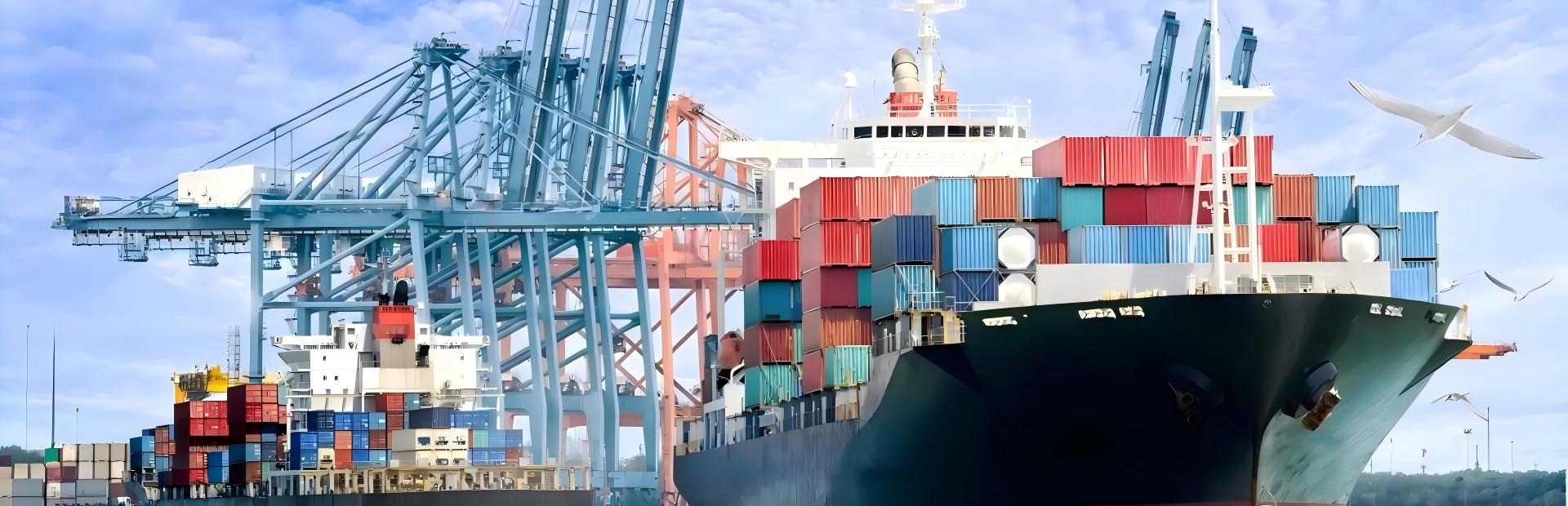
E-commerce sellers often need to balance shipping cost and replenishment speed. ocean freight DDP and air freight DDP can both support door-to-door delivery, customs clearance, duty handling, and final delivery, but they are not suitable for the same inventory plan.
Ocean freight DDP is usually better for large-volume replenishment and lower unit logistics cost. Air freight DDP is better when stock is urgent, product value is higher, or the seller needs faster delivery before a sales season.
| Comparison Point | Ocean Freight DDP | Air Freight DDP |
|---|---|---|
| Shipping Speed | Slower, better for planned inventory | Faster, better for urgent restocking |
| Unit Cost | Lower for larger cargo volume | Higher, especially for heavy goods |
| Inventory Use | Main replenishment and bulk stock | Emergency stock and product launches |
| Cargo Type | Home goods, furniture, packaging, bulk products | Samples, electronics, fashion, high-value SKUs |
| Peak Season Role | Works better when booked early | Helps recover stock gaps quickly |
| Risk Focus | Port delay, vessel schedule, longer transit | Higher cost, limited capacity, stricter cargo rules |
Ocean freight DDP is suitable for sellers with stable sales forecasts and enough time before stock runs out. It helps reduce the landed cost per unit, which is important for large-volume products, lower-margin goods, and regular replenishment.
For e-commerce sellers, ocean freight DDP can be used for main inventory planning. Buyers can ship by FCL when the cargo volume is large, or by LCL when the order is smaller. With DDP service, customs clearance, duties, taxes, and final delivery can be managed under one logistics plan, reducing the need to coordinate multiple parties.
Air freight DDP is useful when timing matters more than shipping cost. If a seller is running out of stock, preparing for a product launch, testing a new SKU, or dealing with a sudden increase in orders, air freight DDP can shorten the replenishment cycle.
It is also suitable for smaller, lighter, higher-value products where faster delivery can protect sales ranking and customer demand. However, sellers should check chargeable weight, product restrictions, customs documents, delivery address requirements, and budget before booking.
Many e-commerce sellers use both shipping methods. Ocean freight DDP can handle the main inventory, while air freight DDP can cover urgent quantities. This strategy is useful before holidays, platform promotions, Amazon FBA replenishment, and seasonal product launches.
A practical plan is to ship the stable quantity by ocean freight early, then reserve air freight for fast-moving SKUs or emergency restocking. This can reduce total logistics cost while keeping stock available.
WANHAO supports ocean freight DDP, air freight DDP, warehouse consolidation, customs clearance, Amazon delivery, and final delivery coordination. Our team can help sellers choose the right shipping method based on cargo volume, product value, stock level, sales forecast, delivery deadline, and budget.
For most planned replenishment, ocean freight DDP is better for cost control. For urgent stock, air freight DDP is better for speed. The right choice should match inventory turnover, peak season risk, unit logistics cost, and final delivery needs.