
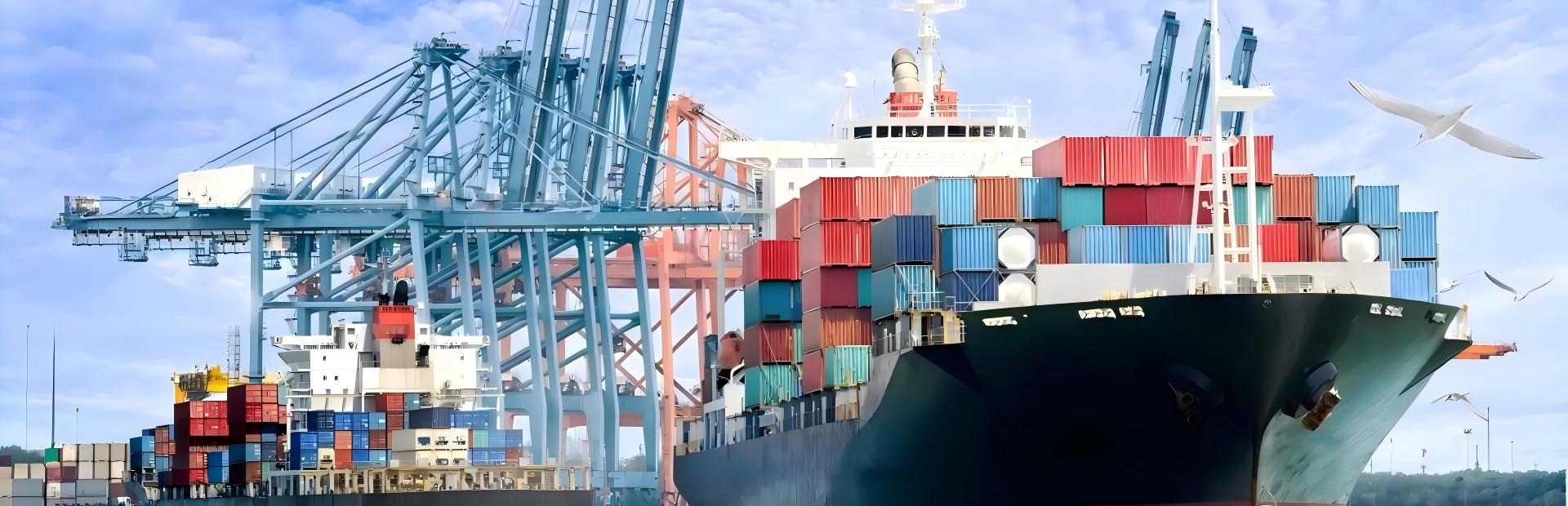
When importers and e-commerce sellers arrange shipping from china to the United States, the final delivery address can strongly affect cost, timing, and delivery difficulty. USA door-to-door delivery means cargo is delivered directly to a business address, store, office, job site, or private receiving address. Warehouse delivery means goods are delivered to a 3PL warehouse, private warehouse, Amazon preparation warehouse, or distribution center.
Industry logistics research shows that last-mile delivery can account for about 53% of total shipment cost. This explains why the final delivery plan should be confirmed early, not after the cargo arrives in the United States.
| Comparison Point | USA Door-To-Door Delivery | Warehouse Delivery |
|---|---|---|
| Final Address | Commercial address, store, office, project site | 3PL warehouse, private warehouse, prep center |
| Delivery Focus | Direct receiving and fewer extra transfers | Inventory storage and order distribution |
| Cost Structure | May be higher for remote or limited-access locations | Usually easier to plan by warehouse rules |
| Receiving Efficiency | Depends on consignee availability | More standardized receiving process |
| Delivery Difficulty | Needs address access, unloading plan, contact details | Needs appointment, pallet, label, and dock rules |
| Best Fit | Importers needing direct delivery | E-commerce sellers needing stock management |
USA door-to-door delivery is useful when buyers want cargo sent directly to the final use location. This can work well for commercial buyers, project orders, retail stores, office addresses, and importers that do not want to arrange another domestic transfer after customs clearance.
The main advantage is simplicity. Buyers do not need to move goods from a warehouse to another address later. However, the delivery address must be checked carefully. If the location has no loading dock, limited truck access, narrow streets, or strict receiving hours, the delivery cost and difficulty may increase.
Before booking, buyers should confirm address type, unloading method, contact person, delivery time window, and whether liftgate service is needed.
Warehouse delivery is often better for e-commerce sellers, brands, and importers that need storage, relabeling, repacking, inspection, or distribution after arrival. A warehouse can receive goods in a more organized way and then support later delivery to Amazon FBA, retailers, stores, or end customers.
Warehouse delivery also helps sellers manage inventory more flexibly. Instead of sending all goods directly to one final address, sellers can split stock based on sales channels and replenishment plans.
However, warehouse delivery also has rules. Buyers should confirm receiving hours, appointment requirements, pallet standards, carton labels, storage fees, and handling fees before shipment.
WANHAO supports DDP door-to-door shipping from china to the United States, including supplier pickup, warehouse consolidation, export customs clearance, ocean or air freight, U.S. customs coordination, duties and taxes, and final delivery.
Our team can help buyers compare door-to-door delivery and warehouse delivery based on cargo volume, destination type, receiving conditions, inventory plan, and budget. For direct commercial receiving, door-to-door delivery can be simpler. For e-commerce inventory control and later distribution, warehouse delivery is usually more flexible.
The best shipping plan should be decided before departure, so the freight route, documents, labels, delivery method, and final cost can be arranged more clearly.