
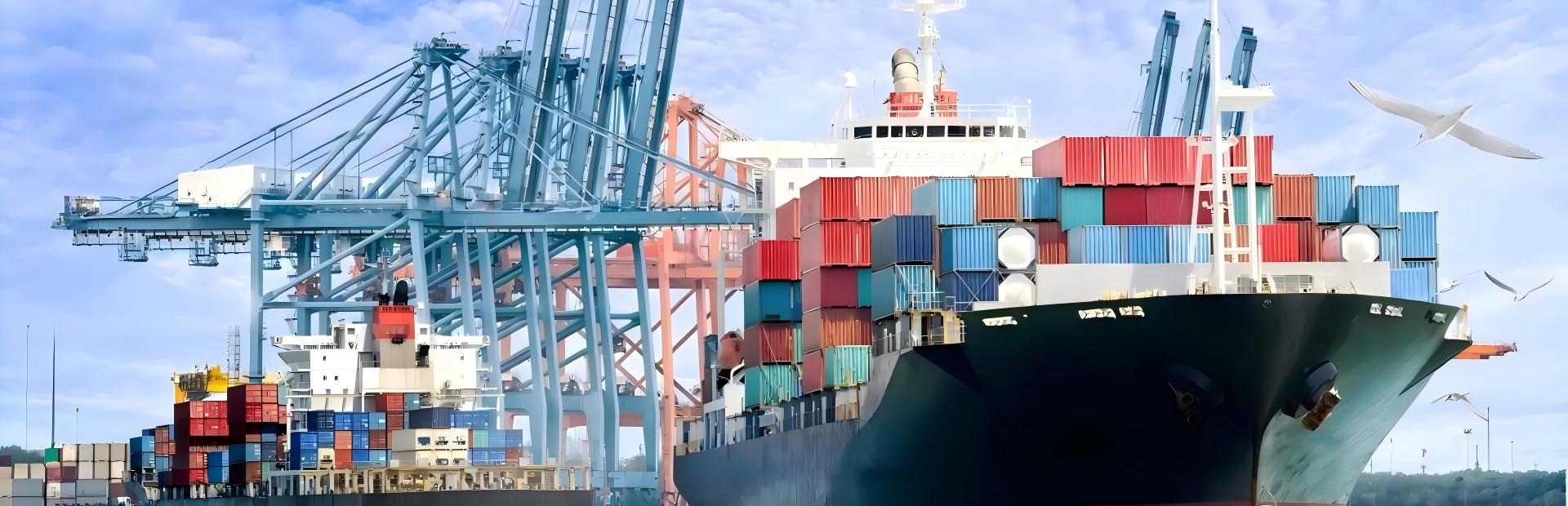
Freight forwarders play a central role in international shipping by acting as the coordinator, planner, and problem solver across complex global supply chains. As international trade involves multiple transportation modes, regulatory systems, and operational handoffs, freight forwarders ensure that goods move efficiently, compliantly, and predictably from origin to destination.
Rather than simply booking transportation, modern freight forwarders manage the full logistics process and help shippers reduce risk, control cost, and maintain delivery reliability.
One of the primary roles of a freight forwarder is to coordinate international transportation across different modes, including ocean freight, air freight, inland trucking, and intermodal solutions.
International shipments rarely move in a straight line. They involve export handling, port operations, main transport, destination handling, and final delivery. Freight forwarders organize these stages into a unified transport plan, ensuring smooth transitions between each step and minimizing delays caused by misalignment.
WANHAO Logistics provides structured transportation coordination that aligns routing, scheduling, and cargo handling into a single operational flow.
International shipping requires extensive documentation, including commercial invoices, packing lists, customs declarations, and regulatory filings. Errors or omissions in documentation can lead to delays, inspections, fines, or shipment holds.
Freight forwarders ensure that documentation is accurate, complete, and compliant with destination regulations. They also stay informed about changing customs requirements and trade policies that may affect shipment clearance.
By managing compliance proactively, freight forwarders help shippers avoid costly disruptions and maintain predictable delivery timelines.
Freight forwarders help shippers choose the most efficient transportation solutions based on cargo type, delivery urgency, and budget considerations. This includes selecting appropriate shipping modes, consolidating cargo, and optimizing routes.
Rather than focusing only on the lowest freight rate, forwarders evaluate total landed cost, taking into account transit time, handling efficiency, and potential risk factors. This approach helps shippers reduce hidden costs while maintaining delivery performance.
WANHAO Logistics supports cost-efficient shipping strategies through flexible transport planning and optimized cargo solutions.
Customs clearance is one of the most critical points in international shipping. Delays at customs can extend transit time significantly and disrupt downstream operations.
Freight forwarders coordinate customs clearance by preparing documentation, arranging inspections, and managing duties and taxes where applicable. In DDP shipping models, the forwarder takes responsibility for customs clearance and delivery, simplifying the process for the shipper.
WANHAO Logistics offers DDP door-to-door solutions that help importers and sellers control landed cost and reduce customs-related risk.
International shipping involves multiple parties and locations, which can make shipment tracking challenging. Freight forwarders provide centralized visibility by monitoring shipment status across all stages of transportation.
This visibility allows shippers to respond quickly to changes, adjust inventory planning, and communicate accurate delivery timelines to downstream partners. Improved control reduces uncertainty and strengthens supply chain reliability.
Many freight forwarders also support warehousing and inventory-related services, including consolidation, storage, and overseas warehousing. These services help shippers manage inventory flow more efficiently and reduce pressure on transportation timelines.
By integrating warehousing into the logistics process, freight forwarders enable better shipment planning and smoother distribution in destination markets.
WANHAO Logistics integrates transportation and warehousing coordination to support stable inventory movement across international supply chains.
International shipping involves risks such as delays, cargo damage, compliance issues, and cost overruns. Freight forwarders mitigate these risks through experience, planning, and operational oversight.
They anticipate potential disruptions, prepare contingency plans, and coordinate corrective actions when issues arise. This risk management role becomes increasingly important as shipment volume grows and supply chains become more complex.
Freight forwarders play a vital role in international shipping by managing transportation coordination, regulatory compliance, cost optimization, and operational risk. They transform complex global shipping processes into structured, manageable workflows that support reliable trade.
As international logistics continues to evolve, the role of freight forwarders is shifting from transactional service providers to solution-oriented partners.
WANHAO Logistics operates as a professional freight forwarding partner, helping businesses navigate international shipping with structured planning, integrated coordination, and dependable delivery performance across global markets.