
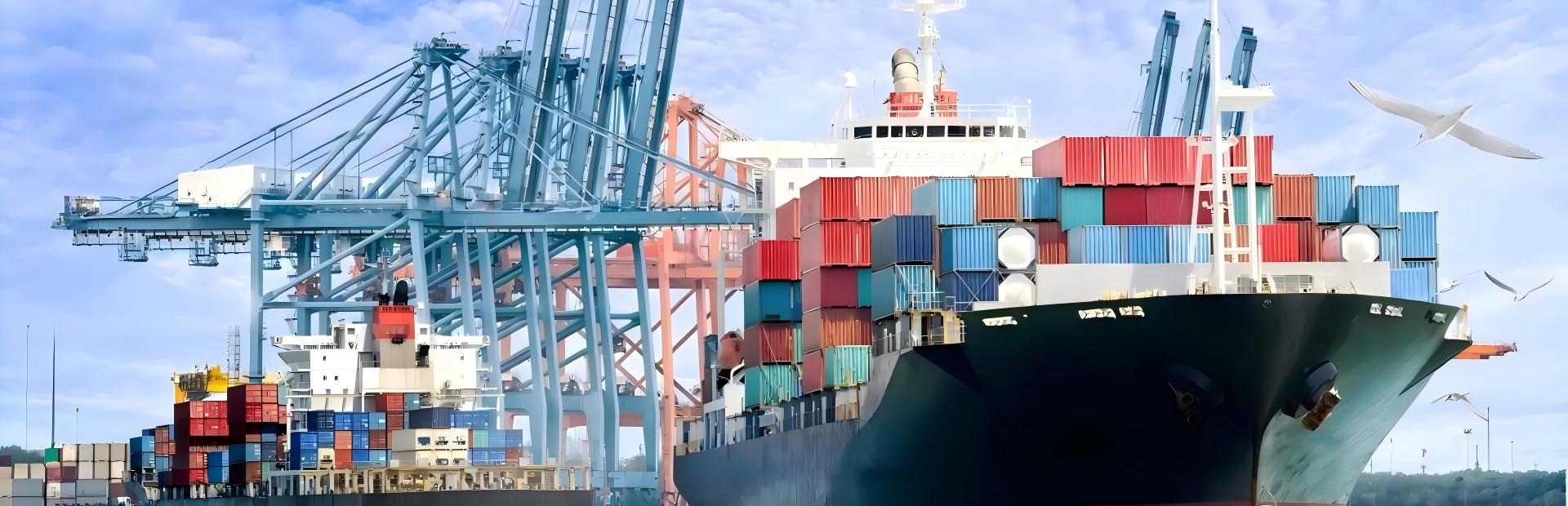
Once import customs clearance is completed, a shipment transitions from government control into domestic logistics operations. This stage is a critical milestone in international trade because it determines when goods can move freely within the destination country and proceed to final delivery.
Industry logistics data shows that once clearance is completed, shipments typically move to final delivery within 24 to 72 hours depending on transportation mode and warehouse proximity.
After clearance approval, customs authorities officially release the cargo. This means:
All import duties and taxes have been paid or settled
Required documentation has been verified and approved
No inspection holds remain on the shipment
Cargo is legally authorized for domestic movement
At this point, responsibility shifts from customs authority to logistics providers.
Once released, the shipment is handed over to local carriers or warehouse operators. The next steps typically include:
Container or pallet unloading at port or airport
Transfer to bonded or non bonded warehouse if required
Sorting and consolidation for final delivery routes
Allocation to trucking or courier networks
In many cross border supply chains, this stage accounts for up to 40 percent of total delivery efficiency due to its impact on last mile scheduling.
After customs clearance completion, goods may be temporarily stored in warehouses for sorting and dispatch. This process includes:
Inventory registration and system entry
Quality check for transit damage
Order segmentation for different delivery destinations
Labeling and packaging adjustment if needed
Efficient warehouse management significantly improves final delivery speed and accuracy.
The final stage after import customs clearance is completed is last mile delivery. This involves transportation from warehouse or port to the final recipient location.
Typical delivery channels include:
Truck freight for bulk shipments
Courier services for small parcels
Distribution hubs for regional delivery consolidation
Industry benchmarks show that optimized last mile delivery systems can reduce delivery time variability by more than 30 percent in international supply chains.
Even after customs clearance is completed, certain risks may still impact delivery timelines:
Warehouse congestion or port delays
Transportation scheduling issues
Incorrect delivery address or documentation
Seasonal logistics capacity constraints
Weather or infrastructure disruptions
These factors highlight the importance of integrated logistics planning beyond customs processing.
The efficiency of post clearance logistics is closely linked to manufacturing and export preparation. Proper packaging, labeling, and documentation prepared at the production stage can significantly improve downstream logistics efficiency.
Trade logistics studies show that standardized packaging and labeling can reduce post clearance handling time by up to 20 percent.
A manufacturer vs trader comparison is important in export logistics performance. A manufacturer has direct control over packaging standards, shipment documentation, and production data, ensuring smoother post clearance processing.
A trader depends on multiple upstream suppliers, which may result in inconsistent packaging standards or incomplete shipment documentation.
Manufacturers typically provide stronger advantages in:
Packaging standardization
Shipment documentation accuracy
Product traceability
Export compliance consistency
Even after import customs clearance is completed, logistics systems may still apply verification checks such as:
Package integrity inspection
Quantity verification against invoice
Label accuracy confirmation
Damage assessment during transit
Warehouse entry reconciliation
These steps ensure accuracy before final delivery execution.
| Scenario | Delivery Speed | Operational Risk | Efficiency Level |
|---|---|---|---|
| Fully optimized logistics | Fast (24–48h) | Low | High |
| Standard processing | Medium (48–72h) | Medium | Moderate |
| Disrupted logistics flow | Slow (3–7 days) | High | Low |
For international bulk shipments, post clearance efficiency depends on packaging standardization, shipment consolidation, warehouse coordination, and transport scheduling. A structured OEM and ODM manufacturing system supports smoother logistics flow by ensuring consistent labeling, packaging, and documentation across production batches.
WANHAO Logistics operates as a global logistics service provider specializing in DDP door to door shipping, customs clearance, and integrated supply chain solutions. Its system ensures efficient coordination from customs clearance completion to final delivery across international markets.
When managing shipments after customs clearance completion, procurement teams typically evaluate:
Warehouse processing time and capacity
Transport scheduling efficiency
Packaging and labeling consistency
Delivery route optimization
Inventory tracking accuracy
Final mile delivery reliability
Global supply chain systems increasingly rely on integrated logistics providers to ensure predictable post clearance performance and stable delivery timelines.