
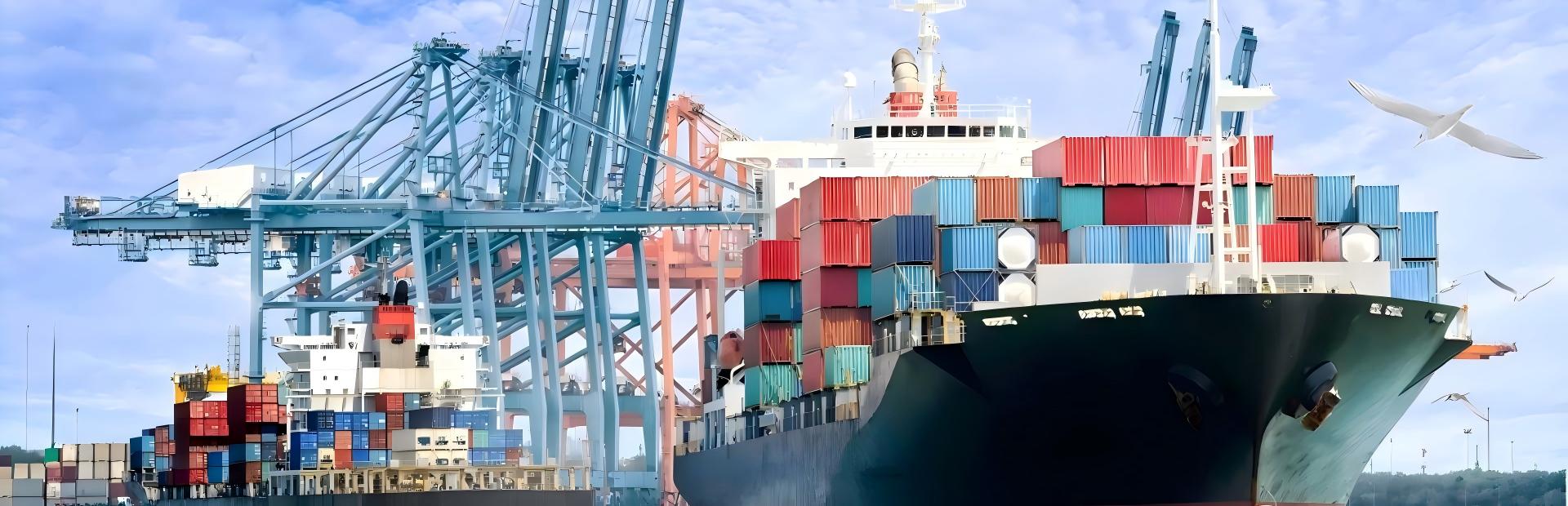
Freight forwarders handle GST in Australia shipping by coordinating import documentation, customs declarations, tax calculations, and payment arrangements based on the agreed shipping terms.
GST (Goods and Services Tax) is a tax that may apply to goods imported into Australia.
For international shipments, GST is generally calculated during the import clearance process and is based on the taxable import value, which may include:
Customs value of goods
International transportation costs
Insurance costs
Applicable customs duty
For businesses shipping goods from China or other countries to Australia, understanding GST responsibilities helps avoid unexpected import costs and customs delays.
Freight forwarders do not replace tax authorities, but they help coordinate the information and procedures required for smooth customs processing.
Freight forwarders support GST-related procedures by managing the logistics information required for customs clearance.
Their responsibilities may include:
Reviewing commercial invoices
Confirming shipment values
Preparing customs documents
Coordinating customs declarations
Communicating with customs brokers
Arranging tax payment procedures based on shipping terms
A freight forwarder helps ensure that shipment details are accurately submitted so GST can be assessed correctly.
Australian import GST is generally calculated based on the taxable importation value.
The calculation may include:
Customs value of the goods
International shipping costs
Insurance costs
Customs duty
A simplified example:
GST Calculation Base = Goods Value + Freight + Insurance + Duty
Import GST = GST Calculation Base × Applicable GST Rate
The exact calculation depends on shipment details, product classification, and Australian import regulations.
Freight forwarders help collect accurate shipment information but the final tax assessment is determined according to Australian customs requirements.
Whether the freight forwarder pays GST depends on the shipping arrangement and service agreement.
Common situations include:
Under Delivered Duty Paid (DDP) terms, the seller or logistics provider usually manages:
Import customs clearance
Duties and taxes
Final delivery
This allows buyers to receive goods with fewer import procedures.
Under Delivered At Place (DAP) terms, the buyer is usually responsible for:
Import clearance
GST payment
Applicable duties
Importers should confirm tax responsibilities before shipment to avoid unexpected charges.
DDP shipping provides a simplified import experience because GST-related procedures are managed as part of the logistics solution.
A DDP shipment may include:
International freight
Customs clearance
Import taxes
GST handling
Final delivery
This option is often suitable for:
New importers
E-commerce sellers
Small businesses
Companies without Australian import experience
However, businesses should confirm what costs are included in the quotation before shipping.
With DAP shipping, the buyer usually manages import-related charges after the goods arrive in Australia.
The importer may need to handle:
Customs clearance
GST payment
Duty payment
Import documentation
DAP can be suitable for businesses that already have:
Customs brokers
Import systems
Australian logistics resources
Experienced importers may prefer DAP because it provides more direct control over customs procedures.
Accurate documentation helps ensure correct GST assessment.
Common documents include:
Includes:
Product description
Quantity
Product value
Seller and buyer information
Country of origin
Includes:
Package quantity
Weight
Dimensions
Including:
Bill of lading for sea freight
Air waybill for air freight
Depending on product type, importers may need:
Certificates
Compliance documents
Product permits
Incorrect or incomplete documents may delay customs clearance.
Experienced freight forwarders help reduce GST-related issues through proper preparation.
Common practices include:
Correct product descriptions and values help avoid calculation errors.
HS codes affect:
Duty rates
Import requirements
Tax assessment
Confirming whether GST is included prevents misunderstandings.
Reviewing paperwork before shipment reduces customs delays.
Yes. Incorrect shipment information may cause customs processing problems.
Common issues include:
Incorrect declared value
Missing documents
Wrong product classification
Unclear tax responsibility
Possible consequences include:
Clearance delays
Additional document requests
Extra handling costs
Preparing accurate information before shipment helps improve customs efficiency.
The GST rules apply to both sea freight and air freight, but the logistics process may differ.
Sea freight is commonly used for:
Container shipments
Bulk cargo
Commercial imports
Because transit times are longer, businesses usually have more time to prepare customs documents.
Air freight is commonly used for:
Urgent shipments
Smaller cargo
High-value products
Because cargo arrives quickly, accurate documentation is especially important.
The GST requirements depend mainly on the imported goods and shipment details rather than the transportation method.
Businesses can improve import efficiency by:
Preparing accurate commercial invoices.
Confirming HS codes before shipping.
Understanding GST responsibilities under shipping terms.
Calculating total landed costs in advance.
Working with experienced freight forwarders.
Good preparation helps businesses manage import costs more effectively.
Before selecting a logistics provider, businesses should confirm:
Is GST included in the quotation?
Are customs charges included?
Who manages import clearance?
Who pays taxes and duties?
What documents are required?
Who prepares customs information?
Is final delivery included?
Is the shipment door-to-door?
Clear communication helps prevent unexpected costs.
GST handling is an important part of international logistics because it affects:
Total landed cost
Customs clearance speed
Supply chain planning
Import compliance
A professional freight forwarder helps businesses coordinate transportation and customs procedures so shipments can move more smoothly.
For companies importing goods into Australia, understanding GST responsibilities creates better control over international shipping costs.